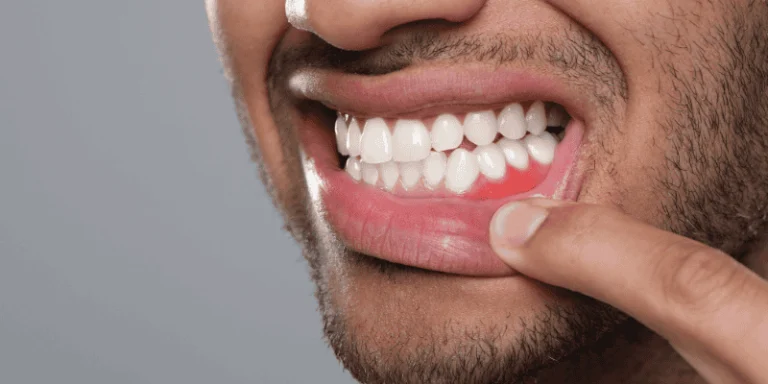


Feeling nervous about dental implant surgery is completely normal. Many people worry about pain, discomfort, or the length of the procedure.
The good news is that modern dentistry offers several ways to help you feel calm and comfortable throughout the process.
Sedation options for dental implants provide safe and effective solutions to manage dental anxiety during implant procedures, ranging from mild relaxation with nitrous oxide to deeper sedation options for more complex cases.
Your dentist can work with you to choose the right approach based on your anxiety level, the complexity of your surgery, and your overall health.
Understanding your sedation options for anxiety-free implants helps you make informed decisions about your care. Whether you need just a little help relaxing or prefer not to remember the procedure at all, there’s a sedation method that fits your needs.
This guide will walk you through the available options so you can feel confident moving forward with your dental implant surgery.
Key Takeaways
- Multiple sedation methods exist for dental implants, from mild nitrous oxide to deeper options for anxious patients
- Your dentist customizes sedation based on your anxiety level, procedure complexity, and medical history
- Modern sedation techniques are safe when administered by trained professionals with proper monitoring
Understanding Dental Implant Surgery and Anxiety
Dental implant surgery involves placing titanium posts into your jawbone to replace missing teeth, and this process can trigger significant worry in many patients. The good news is that various sedation methods can help you stay comfortable and calm throughout the entire implant placement.
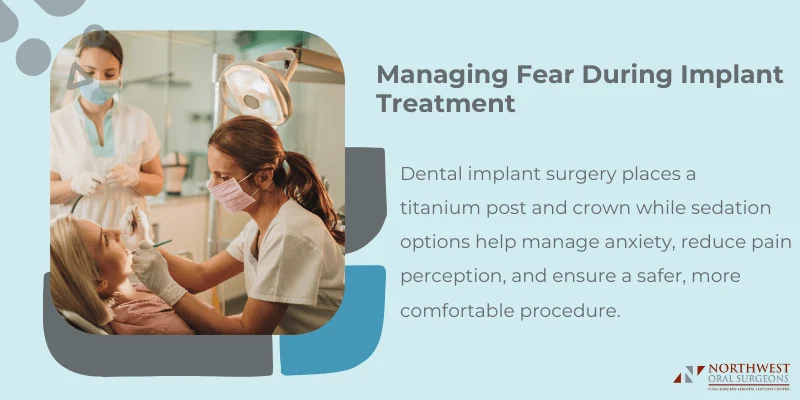
What Happens During Dental Implant Surgery
Your dental implant procedure starts with your dentist numbing the treatment area. They then make a small opening in your gum tissue to access the jawbone underneath.
A titanium post gets carefully placed into the bone where your missing tooth used to be. This post acts as an artificial tooth root. The entire implant placement typically takes between one to two hours per implant.
After the post is secured, your dentist closes the gum tissue with stitches. You’ll need several months for the bone to grow around the implant and hold it firmly in place. This healing process is called osseointegration.
Once healing is complete, your dentist attaches an abutment to the implant. This connector piece holds your new artificial tooth. The final step involves placing a custom-made crown that matches your natural teeth.
How Anxiety Affects the Implant Experience
Dental anxiety can make your dental implant procedure feel more difficult than it actually is. When you’re nervous, your body tenses up and your pain perception increases.
Stress hormones flood your system when you have dental phobia. This makes you more sensitive to sounds, sensations, and discomfort during treatment. Your muscles tighten, which can make it harder for your dentist to work efficiently.
Some patients avoid getting needed dental implants because of fear. This delay can lead to bone loss and more complicated procedures later. Anxiety might also cause you to move during surgery, which affects precision.
Your blood pressure and heart rate can rise when you’re anxious. This creates additional challenges during the dental implant surgery and may extend your recovery time.
The Role of Sedation in Reducing Fear
Sedation dentistry offers solutions that help you feel calm and relaxed during your dental implant procedure. Different options work for different anxiety levels and treatment needs.
Common sedation types include:
- Nitrous oxide (laughing gas)
- Oral sedation medication
- IV sedation
- Local anesthesia
These sedation techniques significantly reduce anxiety and help you stay comfortable throughout treatment. You remain safe while your dentist works with better precision.
Sedation allows your dental team to complete your implant placement more efficiently. You’ll have little to no memory of the procedure when using deeper sedation options. This positive experience helps reduce fear about future dental visits.
Have questions about sedation or implant surgery? Visit our clinic to speak directly with our team and get personalized answers about your treatment.
Overview of Sedation Options for Implant Surgery
Dental implant sedation ranges from mild relaxation techniques to deeper methods that let you sleep through the procedure. The right sedation option depends on your anxiety level, the complexity of your surgery, and your overall health.
Types of Sedation Used in Dental Implants
Sedation dentistry for implants offers several options to match your comfort needs. Local anesthesia numbs the surgical area while you stay fully awake and aware. This basic option works well if you have minimal anxiety.
Nitrous oxide, or laughing gas, provides mild sedation through a mask you wear during the procedure. You remain conscious but feel relaxed. The effects wear off quickly, so you can usually drive yourself home.
Oral sedation involves taking a prescription pill before your appointment. You’ll feel drowsy and relaxed but still conscious. Most patients remember little of the procedure.
IV sedation delivers medication through your bloodstream for deeper relaxation. You enter a “twilight” state where you’re barely aware of what’s happening. This sedation level requires professional monitoring throughout your surgery.
General anesthesia makes you completely unconscious. Dentists reserve this option for complex full-mouth cases or patients with severe dental phobias.
Matching Sedation to Patient Needs
Your dentist considers several factors when recommending sedation for dental implants. Your anxiety level plays a major role in this decision. Mild nerves might need only nitrous oxide, while severe dental phobia may require IV sedation.
The length and complexity of your procedure matter too. A single implant may require only local anesthesia. Multiple implants or bone grafting procedures often benefit from deeper sedation options.
Your medical history affects which sedation options are safe for you. Some health conditions limit your choices. Your dentist reviews your medications and overall health before suggesting specific sedation methods.
Past dental experiences also shape your needs. If previous procedures caused trauma or extreme discomfort, choosing appropriate sedation helps you overcome those fears.
How Sedation Improves Pain Management and Comfort
Sedation reduces anxiety, so you stay still during surgery, which helps your dentist work more precisely. When you’re relaxed, your muscles don’t tense u,p and your breathing stays steady.
Pain awareness decreases significantly with sedation for implant surgery. While local anesthesia blocks physical pain, sedation addresses the emotional distress that often makes pain feel worse. Many patients report feeling no discomfort during their procedure.
Time perception changes under sedation. A two-hour surgery might feel like only minutes passed. This benefit helps if you struggle with long dental appointments.
Memory suppression occurs with moderate to deep sedation levels. You may have little or no recollection of the procedure itself. This amnesia effect particularly helps patients who fear dental work, making future appointments less stressful.
Mild to Moderate Sedation Choices
Nitrous oxide provides quick relaxation while oral sedatives like Halcion and Valium offer deeper anxiety relief. Both options work alongside local anesthesia to keep you comfortable during your dental implant procedure.
Nitrous Oxide (Laughing Gas)
Nitrous oxide, commonly called laughing gas, is the gentlest sedation option available for nervous dental patients. You’ll breathe the colorless, odorless gas through a small mask that fits over your nose.
The effects start within just a few minutes. You’ll feel calm and relaxed while staying fully awake and able to respond to your dentist’s instructions. Many patients describe a pleasant, light-headed sensation.
Key benefits include:
- You can drive yourself home after your appointment
- No lingering drowsiness or recovery time needed
- Effects wear off completely once the mask is removed
- Safe for most patients, including those with health conditions
The gas works quickly to reduce anxiety without putting you to sleep. This makes it perfect if you have mild nervousness but still want to stay aware during the procedure.
Oral Sedation and Oral Sedatives
Oral sedation uses prescription medications taken by mouth before your appointment. Your dentist typically prescribes benzodiazepines like Halcion (triazolam), Valium (diazepam), or Ativan (lorazepam).
You’ll take the pill about an hour before your procedure. The medication creates a drowsy, deeply relaxed state that helps lengthy treatments feel much shorter. Most patients experience partial amnesia and won’t remember much about the procedure afterward.
Common effects include:
- Moderate to deep relaxation lasting several hours
- Reduced awareness of sounds and sensations
- Temporary grogginess and coordination issues
You’ll need someone to drive you to and from your appointment. The sedative effects can last 6-8 hours depending on which medication you receive. Plan to rest at home for the remainder of the day.
Local Anesthesia
Local anesthesia numbs the specific area where your dentist will place the implant. Your dentist injects the medication directly into your gums near the surgical site.
You’ll feel completely numb in that area but stay fully awake and alert. The anesthesia blocks pain signals from reaching your brain, so you won’t feel any discomfort during drilling or implant placement.
Local anesthesia combines well with sedation techniques for complete comfort. The numbing agent handles physical pain while sedation addresses your anxiety and stress. This combination ensures you remain comfortable throughout the entire procedure.
The numbness typically lasts 2-4 hours after your appointment. You might feel slight pressure or vibrations during surgery, but no actual pain.
Want to visit? Complete our patient form to request your implant consultation and discuss which sedation option best fits your needs and comfort level.
Deeper Sedation and Specialized Approaches
Some patients need stronger sedation for implant surgery, especially for complex procedures or high anxiety levels. These advanced options involve medical professionals with specialized training who can monitor you throughout the entire procedure.

IV Sedation (Intravenous Sedation)
IV sedation delivers medication directly into your bloodstream through a small needle in your arm or hand. This method works faster than oral sedation and allows your dentist to adjust the dosage during your procedure.
You’ll feel deeply relaxed and may not remember much of the surgery. Most patients stay conscious but feel drowsy and comfortable throughout the treatment. Your vital signs get monitored continuously during the procedure.
The effects wear off within a few hours, but you’ll need someone to drive you home. You should plan to rest for the remainder of the day. IV sedation offers safe and effective comfort for patients who need more than basic relaxation methods.
Your dental team will review your medical history carefully before recommending intravenous sedation. Certain health conditions may affect whether this option works for you.
General Anesthesia
General anesthesia puts you completely asleep during your implant surgery. You won’t be aware of anything happening and will have no memory of the procedure.
This option works best for extensive implant work or patients with severe dental anxiety. A dental anesthesiologist or medical anesthesiologist administers the medications and monitors you closely. Your breathing, heart rate, and blood pressure get tracked throughout the surgery.
You’ll need to avoid eating or drinking for several hours before your appointment. Recovery takes longer than other sedation methods, and you may feel groggy for the rest of the day.
General anesthesia requires specialized equipment and training. This makes it more expensive than other sedation options.
Working with a Sedation Dentist or Dental Anesthesiologist
A sedation dentist has completed additional training to safely administer moderate sedation during procedures. They can provide oral sedation, nitrous oxide, and sometimes IV sedation depending on their credentials.
A dental anesthesiologist holds advanced certification in anesthesia and pain management. They can handle all levels of sedation including general anesthesia. Many practices bring in these specialists for complex cases.
Your discussion about sedation options should begin during your initial consultation. This gives your dental team time to evaluate your needs and plan accordingly. You’ll need to share detailed information about your medical history, medications, and any previous experiences with sedation.
The specialist will explain what to expect before, during, and after your procedure. They’ll answer your questions about risks and benefits specific to your situation.
Planning and Safety for Sedation During Implant Surgery
Your dental team creates a customized approach based on your health history, anxiety levels, and the specific requirements of your implant procedure. Proper screening identifies potential risks before surgery, while continuous monitoring during and after sedation protects your wellbeing throughout the entire process.

Personalizing Your Sedation Plan
Your dentist evaluates several factors to determine which sedation option works best for your implant procedure. Simple single-tooth implants typically require only nitrous oxide or mild oral sedation. Complex procedures like bone grafting or full-mouth reconstructions may need IV sedation for deeper comfort.
Your anxiety level plays a major role in this decision. If you feel mild nervousness, nitrous oxide might provide enough relaxation. Patients with severe dental fear often benefit from oral medications or IV sedation that creates partial memory loss of the procedure.
The expected surgery length also matters. Procedures lasting under an hour work well with lighter sedation. Longer surgeries spanning several hours need deeper sedation to maintain your comfort throughout the entire appointment.
Your dentist considers your work schedule and transportation options too, since some sedation types prevent you from driving home.
Health Screening and Patient Preparation
You’ll complete a detailed medical review before receiving any sedation for your implant surgery. Your dental team checks your cardiovascular health, breathing function, current medications, and any past reactions to anesthesia.
Key screening areas include:
- Heart conditions and blood pressure levels
- Respiratory problems like asthma or sleep apnea
- Allergies to medications or anesthesia
- Current prescriptions and supplements
- Previous sedation experiences
Your dentist provides specific instructions for the days leading up to surgery. You’ll need to arrange a ride home since you cannot drive after sedation dentistry. Most patients must avoid eating or drinking for several hours before the appointment.
Wear comfortable, loose clothing with short sleeves on surgery day. Remove contact lenses, jewelry, and makeup before arriving. Take any prescribed pre-medications exactly as directed. These steps help ensure your sedation remains safe throughout the procedure.
Meet with our implant team in person to review sedation choices, procedure steps, and recovery expectations in a relaxed, supportive setting.
Monitoring and Recovery After Sedation
Your dental team tracks your vital signs continuously during the entire implant procedure. They monitor your heart rate, blood pressure, oxygen levels, and breathing patterns. This equipment alerts staff immediately if any values fall outside safe ranges.
Emergency protocols and equipment stay ready throughout your surgery. Your dental office maintains oxygen systems, reversal medications, and trained personnel who can respond quickly to any complications. All staff members hold current CPR certification and regular emergency training.
After surgery ends, you’ll recover in a monitored area. Nitrous oxide wears off within minutes, letting you leave quickly. Oral sedation takes several hours to fully clear your system. IV sedation requires 30 to 60 minutes of supervised recovery before you can go home with your designated driver.
Your dental team gives you detailed aftercare instructions covering pain management, activity limits, and warning signs that need immediate attention. Someone should stay with you for the rest of the day following sedation.
Making Your Dental Implant Experience Comfortable
Managing your fears and knowing what happens during each stage of treatment helps you feel more in control. The right sedation choice can transform a stressful procedure into a calm experience while supporting better healing outcomes.
Tips for Managing Dental Anxiety
Talk openly with your dentist about your specific fears before the procedure. Many people feel anxious about needles, drilling sounds, or losing control during treatment. Your dental team can adjust their approach based on what bothers you most.
Practice deep breathing exercises in the days leading up to your appointment. Breathe in slowly through your nose for four counts, hold for four counts, and exhale through your mouth for four counts. This simple technique helps calm your nervous system.
Common anxiety management strategies:
- Listen to music or podcasts through headphones during the procedure
- Schedule your appointment during a time when you feel most relaxed
- Bring a trusted friend or family member for support
- Avoid caffeine on the day of your procedure
- Ask your dentist to explain each step before they begin
Some patients find that dealing with dental anxiety becomes easier when they visit the office beforehand to meet the staff and see the treatment room.
What to Expect Before, During, and After Sedation
Your dentist will review your medical history and current medications before selecting a sedation method. You may need to fast for several hours before oral sedation, IV sedation, or general anesthesia. Plan to have someone drive you home after the appointment.
During the procedure, your dental team monitors your vital signs continuously. With nitrous oxide, you stay awake and can respond to questions. Oral and IV sedation options keep you in a deeply relaxed state where you might not remember much of the procedure.
After treatment, recovery time varies by sedation type. Nitrous oxide wears off within minutes, letting you resume normal activities quickly. Deeper sedation methods require a few hours of rest at home with supervision.
Long-Term Benefits of Choosing the Right Sedation
Selecting appropriate sedation for dental implants helps your dentist work more efficiently and precisely. When you remain still and relaxed, the procedure often takes less time and produces better results. This means fewer adjustments or complications later.
Patients who have positive experiences with sedation are more likely to maintain regular dental visits. This ongoing care protects your dental implants and overall oral health for years to come.
The right sedation also reduces physical stress on your body during the procedure. Lower stress hormone levels can support faster healing and reduced inflammation after surgery. Many patients report feeling surprised at how comfortable the entire process was compared to their initial worries.
Still feeling unsure? Visit our offices in Munster or Schererville, IN, to discuss sedation options for dental implants and get a personalized plan for a calm, comfortable procedure.
Frequently Asked Questions
Patients often have specific concerns about sedation before implant surgery. Understanding the available options, safety measures, and what to expect can help ease worries and prepare you for a comfortable experience.
What types of sedation are available for dental implant procedures?
You have several sedation options available for dental implants depending on your comfort needs and the complexity of your procedure. Nitrous oxide, commonly called laughing gas, provides mild relaxation while keeping you fully awake and aware.
You breathe it through a nose mask, and its effects wear off quickly after your procedure ends.
Oral sedation involves taking a pill about an hour before your appointment. This option helps you feel deeply relaxed and calm, though you’ll still be awake and able to respond to your dentist.
IV sedation delivers medication directly into your bloodstream for deeper relaxation. Many patients describe feeling like they’re in a dreamlike state with little memory of the procedure.
General anesthesia makes you completely unconscious during surgery. This option works well for complex procedures or patients with severe dental anxiety.
How can I manage my anxiety before undergoing implant surgery?
Talk openly with your dentist about your fears and concerns during your consultation. Being honest about your anxiety level helps your dental team create a treatment plan that addresses your specific needs.
Ask questions about every step of the procedure so you know exactly what to expect. Understanding the process often reduces fear of the unknown.
Consider scheduling a tour of the dental office before your surgery day. Familiarizing yourself with the environment and meeting the staff can make you feel more comfortable.
Practice deep breathing exercises or meditation in the days leading up to your appointment. These techniques can help calm your nervous system and reduce stress.
Your dentist may recommend anti-anxiety medication to take before your visit. This option can help you feel more relaxed when you arrive at the office.
Are there any risks associated with sedation during oral surgery?
Sedation is safe when performed by trained professionals, though some minor risks exist. Your dental team will monitor your vital signs throughout the entire procedure to ensure your safety.
Common side effects include drowsiness, nausea, or a dry mouth after the procedure. These effects typically go away within a few hours as the medication wears off.
Your dentist will review your complete medical history before recommending sedation. Certain health conditions or medications may affect which sedation type is safest for you.
Serious complications are extremely rare when proper protocols are followed. Your dental team has emergency equipment and training ready, though it’s almost never needed.
What should I expect when receiving sedation for a dental procedure?
Your dentist will give you specific instructions before your appointment. You’ll likely need to avoid eating or drinking for several hours before sedation.
When you arrive, the dental team will check your vital signs and answer any last-minute questions. They’ll explain each step before starting the sedation process.
During the procedure, you’ll feel relaxed and comfortable. Your level of awareness depends on the sedation type you receive, but you won’t feel pain.
A team member will continuously monitor your heart rate, blood pressure, and oxygen levels. This constant attention ensures your safety throughout the surgery.
After the procedure, you’ll rest in a recovery area until you’re alert enough to leave. Someone will need to drive you home if you received oral sedation, IV sedation, or general anesthesia.
How do different sedation methods compare in terms of recovery time?
Nitrous oxide has the fastest recovery time of all sedation options. You’ll feel back to normal within minutes after the gas is turned off, and you can even drive yourself home.
Oral sedation takes longer to wear off completely. You’ll feel drowsy for several hours after your appointment and should plan to rest for the remainder of the day.
IV sedation recovery typically takes a few hours, though some grogginess may last up to 24 hours. You should avoid making important decisions or operating machinery during this time.
General anesthesia requires the longest recovery period. You’ll need several hours to become fully alert, and you might feel tired or slightly confused for the rest of the day.
Most patients return to normal activities within 24 hours regardless of sedation type. Your dentist will provide specific recovery instructions based on your individual situation.
Can I discuss personalized sedation options with my dentist prior to implant surgery?
Your dentist will schedule a consultation to discuss which sedation option works best for you. This meeting is the perfect time to share your concerns, medical history, and preferences.
Be honest about your anxiety level and any previous experiences with dental procedures. This information helps your dentist recommend the most appropriate sedation method.
Ask about the costs associated with each sedation type. Some dental insurance plans cover certain sedation options, while others may require out-of-pocket payment.
Your dentist will explain the benefits and limitations of each method. Together, you’ll create a personalized plan that makes you feel safe and comfortable during your implant surgery.
Don’t hesitate to request a second opinion if you’re unsure about the recommended approach. Finding a dentist who listens to your needs and respects your concerns is important for a positive experience.