
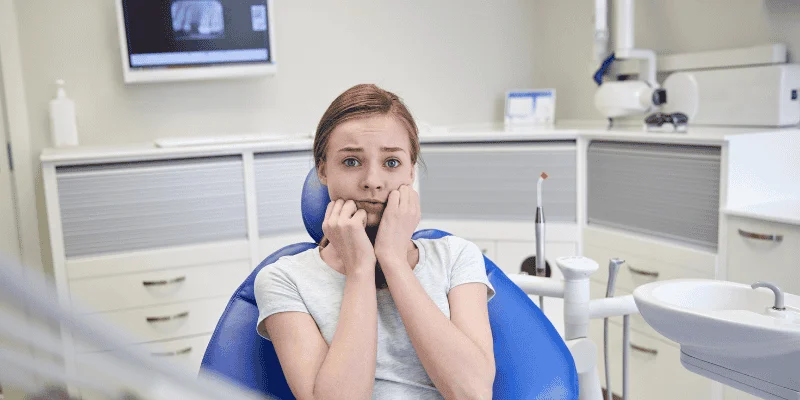
Many people put off replacing missing teeth, not because they don’t care about their smile, but because they feel anxious about the procedures involved.
Fear of oral surgery is one of the main reasons people delay getting dental implants or other tooth replacement options, even though waiting can lead to serious health problems.
Dental surgery anxiety often comes from worries about pain, lack of control during the procedure, or simply not knowing what to expect.
The good news is that modern oral surgery is much different than what you might imagine. Today’s procedures use advanced techniques and sedation options that make the experience comfortable and manageable.
Understanding what really happens during tooth replacement surgery and learning about the tools available to help with anxiety can make a big difference in your decision to move forward.
When you know the facts about oral surgery and the real risks of waiting, you can make better choices for your health. Delaying tooth replacement doesn’t just affect your smile; it can impact your jawbone, surrounding teeth, and even your overall health.
Key Takeaways
- Fear of oral surgery often stops people from replacing missing teeth, but modern techniques and sedation make procedures much more comfortable than you might expect
- Delaying tooth replacement can lead to bone loss, damage to nearby teeth, and increased health complications that make treatment more difficult later
- Understanding the actual surgical process and working with your dental team to manage anxiety helps you take action before small problems become bigger issues
Understanding the Fear of Oral Surgery
Many people experience strong anxiety when facing oral surgery, and this fear often stems from concerns about pain, loss of control, and worries about anesthesia. Past negative experiences at the dentist can make these feelings even stronger.
The Roots of Dental Anxiety and Dental Phobia
Dental anxiety and dental phobia are not the same thing, though people often use these terms interchangeably. Dental anxiety is a feeling of worry or stress about dental appointments. You might feel nervous before a tooth extraction but still go through with it.
Dental phobia, also called odontophobia, is more intense. It’s an extreme fear of dental surgery that can make you avoid treatment completely.
Research shows that your fear often comes from feeling like you’ve lost control. When you’re in the oral surgeon’s chair, you can’t see what’s happening in your mouth. You depend entirely on someone else.
Fear doesn’t come from pain alone but from the helplessness you feel during procedures. This explains why oral and maxillofacial surgery causes such strong reactions in many patients.
Common Triggers: Fear of Pain and Anesthesia
A study found that patients fear multiple aspects of oral surgery, not just one thing. Here’s what scared patients most:
- 31% feared postoperative pain the most
- 26% worried about pain during the operation
- 25% dreaded the local anesthesia injection
- 18% feared the operation itself
Your concerns about anesthesia are common. Many people worry about whether local anesthesia will work properly during wisdom tooth extraction. Others fear they’ll wake up during general anesthesia or experience side effects afterward.
The fear of pain ranks high because you might imagine the worst possible outcome. You don’t know exactly what tooth extraction will feel like, so your mind fills in the blanks with scary scenarios.
The Role of Past Experiences in Dental Fear
Your previous dental visits shape how you feel about oral surgery today. A painful childhood experience can stay with you for decades.
If you’ve had a bad experience with a dentist who didn’t listen to your concerns or rushed through a procedure, you’ll naturally feel anxious about your next visit. Maybe the numbing didn’t work properly during a past tooth extraction, and you felt pain.
These memories create strong associations in your brain. Even the smell of a dental office or the sound of equipment can trigger anxiety. Your body remembers the stress even when your mind tries to stay calm.
How Fear Leads to Delaying Tooth Replacement
When you’re afraid of oral surgery, you might put off getting the dental care you need. This fear creates avoidance patterns that affect your choices about tooth replacement options, such as dental implants, making it harder to maintain good oral health over time.

The Vicious Cycle of Avoidance
Fear of oral surgery often starts a cycle that’s hard to break. You skip your dental appointments because you’re anxious about what the oral surgeon might find or recommend.
Each time you avoid the dentist, your anxiety grows stronger. Minor dental issues can escalate into major problems when left untreated, which means you’ll eventually need more complex procedures than if you’d sought care earlier.
The gap in your smile gets wider, your bone starts to deteriorate, and the treatment becomes more involved.
This creates a pattern where your fear actually brings about the very outcomes you were trying to avoid. What might have been a simple tooth extraction becomes a case requiring maxillofacial surgery. The longer you wait, the more your oral health declines, reinforcing your belief that dental procedures are something to fear.
Have questions about dental surgery anxiety? Contact our team today for personalized guidance and reassurance.
Emotional and Psychological Barriers
Your emotions play a big role in how you make decisions about implant dentistry and other dental procedures. Dental anxiety can range from mild nervousness to extreme fear, and it affects how you think about your treatment options.
You might experience several psychological barriers:
- Fear of pain during or after tooth extractions
- Worry about losing control while under sedation
- Embarrassment about the current state of your teeth
- Anxiety about needles and dental instruments
These feelings can be so strong that they override logical thinking about your health needs. Even when you know that replacing missing teeth is important, your emotional response takes over. The thought of oral surgery evokes feelings of fear and anxiety that can feel impossible to overcome on your own.
Impact on Decision-Making for Dental Procedures
Fear changes how you evaluate your options for tooth replacement. You might convince yourself that you can live without that missing tooth, even though you know it affects your ability to chew properly.
When your oral surgeon presents treatment plans involving dental implants, your anxiety clouds your judgment. You focus only on the surgical aspects rather than the long-term benefits. This leads you to choose temporary solutions or no treatment at all, even when permanent options would serve you better.
Your fear also affects the timeline of your decisions. You tell yourself you’ll think about it and get back to the dentist later. Months or years pass while you rationalize the delay, not realizing that postponing treatment makes the eventual procedure more complicated and costly.
Consequences of Delaying Tooth Replacement
When you put off replacing a missing tooth, your mouth doesn’t simply stay the same. Your jawbone begins to deteriorate, your remaining teeth start to shift, and your facial structure can change in ways that affect both your health and appearance.
Bone Loss and Jaw Changes
Your jawbone needs stimulation from tooth roots to maintain its density and strength. When you lose a tooth, the bone that once supported it begins to break down within just a few months. This process, called resorption, causes your jaw to shrink and weaken over time.
The bone loss from delayed tooth replacement makes future dental implants more difficult and expensive. You might need bone grafting procedures to rebuild enough support before implant dentistry can proceed.
Your facial structure also changes as the jawbone deteriorates, causing your cheeks to look sunken and making you appear older than your actual age.
The longer you wait, the more bone you lose. Within the first year after tooth extraction, you can lose up to 25% of the bone width in that area. This deterioration continues year after year, making treatment increasingly complex.
Shifting Teeth and Bite Problems
Your teeth naturally drift toward empty spaces in your mouth. When you delay replacement, the teeth next to the gap will tilt inward, and the tooth above or below will move up or down into the space. This movement happens gradually, but it creates serious problems with your bite alignment.
Shifting teeth and bite problems make chewing difficult and uneven. You might experience jaw pain, headaches, or clicking sounds when you open and close your mouth. The misalignment puts extra stress on certain teeth, causing them to wear down faster or even crack.
Your oral health suffers as teeth become crooked and harder to clean. Food gets trapped in new gaps, increasing your risk of cavities and gum disease. Fixing these bite issues often requires orthodontic treatment in addition to the tooth replacement you originally needed.
Aesthetic and Confidence Issues

Missing teeth affect how you look and how you feel about yourself. You might hide your smile in photos, avoid laughing openly, or feel self-conscious during conversations. The gap in your smile becomes more noticeable as surrounding teeth shift and tilt.
The facial changes from jawbone deterioration alter your appearance beyond just the missing tooth. Your lips may lose support and appear thinner. The lower third of your face can collapse inward, creating premature wrinkles around your mouth.
These changes impact your social life and professional opportunities. Many people avoid eating in public or speaking up at work because they worry about their smile. Addressing tooth replacement through oral surgery and dental implants can restore both your appearance and your confidence.
Modern Oral Surgery: Comfort, Safety, and Management
Today’s oral surgery techniques focus on keeping you comfortable and safe throughout your entire experience. New technology and better pain management options mean less discomfort and faster healing than ever before.
Advancements in Technology and Techniques
Modern oral surgery has become significantly less invasive thanks to recent technological advances. Your oral surgeon now uses smaller incisions and specialized instruments that cause less tissue trauma during procedures. This approach reduces bleeding, swelling, and post-operative pain.
Laser technology has changed how many procedures work. Instead of traditional cutting tools, lasers can perform certain gum surgeries and tissue removal with incredible precision. You’ll experience less bleeding and faster healing as a result.
Digital imaging and 3D planning tools help your oral and maxillofacial surgery team plan procedures down to the millimeter. For implant dentistry, this means your surgeon can see exactly where to place implants before making a single incision. The result is better outcomes and fewer complications.
Schedule your consultation in Munster or Schererville, IN to talk with a specialist about managing dental surgery anxiety before treatment.
Sedation Dentistry and Anesthesia Options
You have multiple sedation options available to make your procedure comfortable. Local anesthesia numbs only the treatment area and works well for simpler procedures. Your oral surgeon will ensure you don’t feel any pain in the surgical site.
Oral sedation involves taking medication before your appointment to help you relax. You’ll remain awake but feel calm and may not remember much about the procedure. This option works well if you have moderate anxiety about your treatment.
General anesthesia puts you completely to sleep during more complex procedures. Your surgical team monitors you closely throughout the entire process. Many patients prefer this option because they have no memory of the procedure.
Talk openly with your oral surgeon about your concerns. They can recommend the best sedation dentistry approach based on your anxiety level and the complexity of your procedure.
Shorter, Easier Recoveries
Recovery times are much shorter than most people expect. Simple tooth extractions often allow you to return to normal activities within 3-4 days. Even more complex procedures like dental implant placement typically heal within a week or two.
Advanced surgical techniques reduce tissue damage, which directly speeds up your healing time. Your body doesn’t need as long to repair itself when the surgery is minimally invasive.
Following your after-care instructions makes a big difference in recovery speed. Keep the surgical area clean, take prescribed medications, and avoid strenuous activities as directed. Most patients find that their recovery is easier than they anticipated.
Modern pain management means you’ll stay comfortable during healing. Your oral surgeon will provide appropriate medications and clear guidelines about managing any discomfort at home.
Overcoming Dental Anxiety for Tooth Replacement
Working with your dental team and learning practical calming techniques can make tooth replacement feel much more manageable, even if you’ve avoided dental care due to fear in the past.
Communication With Your Dental Team
Being open about your dental anxiety helps your oral surgeon understand what you need. Tell them about past experiences that scared you or specific parts of treatment that worry you most.
Many dental offices now offer consultation-only appointments where you can meet the team without any actual treatment happening. This gives you time to ask questions and get comfortable with the environment. You can also ask about “stop signals,” like raising your hand if you need a break during the procedure.
Ask your dentist to explain:
- Each step of the tooth replacement process
- What you’ll feel during treatment
- How long will each appointment take
- What sedation options are available
Your dental team can adjust the pace of treatment to match your comfort level. Some patients need more time between appointments, while others prefer to move quickly through the process.
Education and Setting Realistic Expectations
Understanding what actually happens during tooth replacement often reduces fear more than avoiding information. When you know the facts about implants, bridges, or dentures, your mind has less room to imagine worst-case scenarios.
Most patients report that recovery from dental implants involves soreness rather than sharp pain. A dental exam before treatment helps you see exactly what needs to happen and why. Your dentist can show you 3D scans or models that make the process visual instead of mysterious.
Dental phobia often comes from outdated ideas about what modern dentistry feels like. Today’s techniques, anesthetics, and tools are designed specifically to minimize discomfort. Knowing this difference between old and new methods can shift your expectations from dread to realistic calm.
Relaxation and Coping Strategies
Deep breathing exercises work because they activate your body’s natural calming response. Try breathing in slowly for four counts, holding for four, then exhaling for four. Practice this before and during appointments.
Progressive muscle relaxation helps too. Tense your feet for five seconds, then release. Move up through your legs, stomach, arms, and shoulders. This gives your body something to focus on besides worry.
Guided imagery means picturing a peaceful place in detail while sitting in the dental chair. Some patients listen to music or podcasts through headphones to create their own mental space during treatment. These aren’t just distractions, they’re proven methods that help manage anxiety before and after oral surgery.
Ask about nitrous oxide or oral sedatives if your anxiety feels too strong to manage with breathing alone. These options aren’t signs of weakness, they’re medical tools designed to make necessary care possible.
Taking the Next Step: Replacing Missing Teeth With Confidence
Getting professional help and creating a clear plan can make tooth replacement feel less scary. Working with the right dental team and knowing what to expect during treatment helps you move forward with less worry.
Consultation and Support Systems

Your first meeting with an oral surgeon sets the foundation for your entire treatment experience. During this visit, you can ask questions about dental implants, discuss your concerns about oral surgery, and learn about sedation options that make the procedure comfortable.
Many dental offices offer support systems to help nervous patients. Some practices have staff members who specialize in helping anxious patients feel calm. You can also bring a trusted friend or family member to appointments for emotional support.
Modern implant dentistry includes detailed planning tools like 3D imaging. These let you see exactly what your new teeth will look like before any work begins. Your oral surgeon can walk you through each step of the maxillofacial surgery process so nothing comes as a surprise.
Replacing missing teeth can boost your confidence once you understand the process. Most dental teams will create a written treatment plan that includes timing, costs, and recovery expectations.
Planning for a Positive Experience
Creating a positive treatment experience starts with choosing the right time for your procedure. Pick a date when you can take a few days off work to rest afterward. This removes pressure and lets you focus on healing.
Prepare your home before oral surgery by stocking soft foods, ice packs, and any prescribed medications. Set up a comfortable recovery space with pillows, entertainment, and easy access to water.
Talk to your oral surgeon about sedation choices that match your comfort level. Options range from local numbing to deeper sedation for patients with high anxiety. Understanding how dental implants work and their success rates can also ease your mind.
Many patients find it helpful to write down their questions before appointments. This ensures you address all concerns about your oral health and the procedure itself. Remember that replacing lost teeth prevents future problems like bone loss and shifting teeth, making the temporary discomfort worthwhile.
Ready to take the next step? Complete our patient form to schedule at our Munster or Schererville, IN, locations.
Frequently Asked Questions
Many people have similar concerns when facing oral surgery for tooth replacement, from worries about pain and recovery to questions about safer alternatives and sedation options.
What are the common reasons people avoid oral surgery for tooth replacement?
Fear of pain ranks as the top reason people put off oral surgery. The idea of needles, cutting, and discomfort makes many patients anxious about the whole process.
Not knowing what will happen during the procedure causes a lot of worry too. When you can’t picture how things will go, your mind often imagines the worst possible scenarios.
Past bad experiences at the dentist make people extra nervous about future procedures. About two-thirds of patients who avoid seeking dental care cite a previous negative visit as the reason.
Concerns about losing control during surgery also keep people away. Being sedated or under anesthesia can feel scary if you prefer to stay aware of what’s happening around you.
How can I overcome my anxiety about dental procedures, especially oral surgery?
Talk to your oral surgeon about every detail of the procedure. Asking questions and getting reliable information is the best way to reduce fear of the unknown.
Learning about what will happen during your surgery gives you back a sense of control. Request that your surgeon explain the process step-by-step, including what pain management methods they’ll use.
Try relaxation techniques before your appointment to calm your nerves. Deep breathing exercises, meditation, and muscle relaxation can help you feel more at ease.
Bring a trusted friend or family member with you for support. Having someone there who cares about you can make the experience much less stressful.
Are there alternatives to oral surgery for tooth replacement that I should consider?
Dental bridges offer one option that doesn’t require surgery. These artificial teeth attach to your natural teeth on either side of the gap.
Partial dentures can replace multiple missing teeth without any surgical work. They’re removable appliances that clip onto your existing teeth.
However, neither bridges nor dentures address the bone loss that happens when you lose a tooth. Only dental implants can preserve your jawbone long-term because they replace the tooth root structure.
Bridges also require grinding down healthy teeth next to the gap. This means damaging good teeth just to replace the missing one.
What risks am I facing if I delay oral surgery for tooth replacement?
Your jawbone starts to deteriorate when you lose a tooth and don’t replace it. Without the tooth root to stimulate the bone, your jaw begins to shrink and weaken over time.
The teeth next to the gap will gradually shift into the empty space. This movement can mess up your bite and create alignment problems throughout your mouth.
Delaying tooth replacement leads to bite problems that affect how you chew and speak. These issues often become more complicated and expensive to fix the longer you wait.
More bone loss means dental implants become harder to place later. You might need additional procedures like bone grafting, which adds time and cost to your treatment.
Can sedation or anesthesia help alleviate fear of oral surgery, and is it safe?
Yes, sedation options can make your surgery much less stressful. You can choose from different levels, ranging from local numbing to being completely asleep during the procedure.
Local anesthesia just numbs the surgical area while you stay awake. Conscious sedation makes you drowsy and relaxed but still responsive.
General anesthesia puts you fully to sleep so you won’t remember anything about the surgery. Your oral surgeon can help you pick the right option based on your anxiety level and the complexity of your procedure.
Modern oral surgery is a common and safe practice performed by trained professionals. Qualified oral surgeons use these sedation methods every day with excellent safety records.
What should I expect during the recovery process after oral surgery for tooth replacement?
You’ll likely feel some soreness and swelling for the first few days after surgery. These symptoms are normal and typically peak around day two or three.
Most people can return to work or school within a few days. However, you should avoid strenuous activities for about a week to prevent complications.
Your surgeon will give you specific instructions about diet and oral care. Following these guidelines carefully helps you heal faster and reduces the risk of infection.
Pain medication will help manage any discomfort during recovery. Many patients find that over-the-counter pain relievers work well after the first day or two.
Full healing of the implant site takes several months as the titanium fuses with your jawbone. During this time, you’ll have follow-up appointments to make sure everything is progressing well.