
What is Bone Grafting?
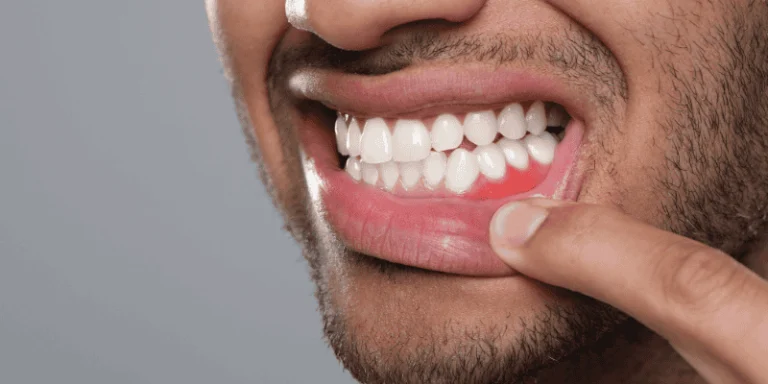
Over a period of time, the jaw bone associated with missing teeth atrophies and is reabsorbed. This often leaves you with poor quality and quantity of bone suitable for dental implant placement. In these situations, you may not be a candidate for dental implants without additional treatment.
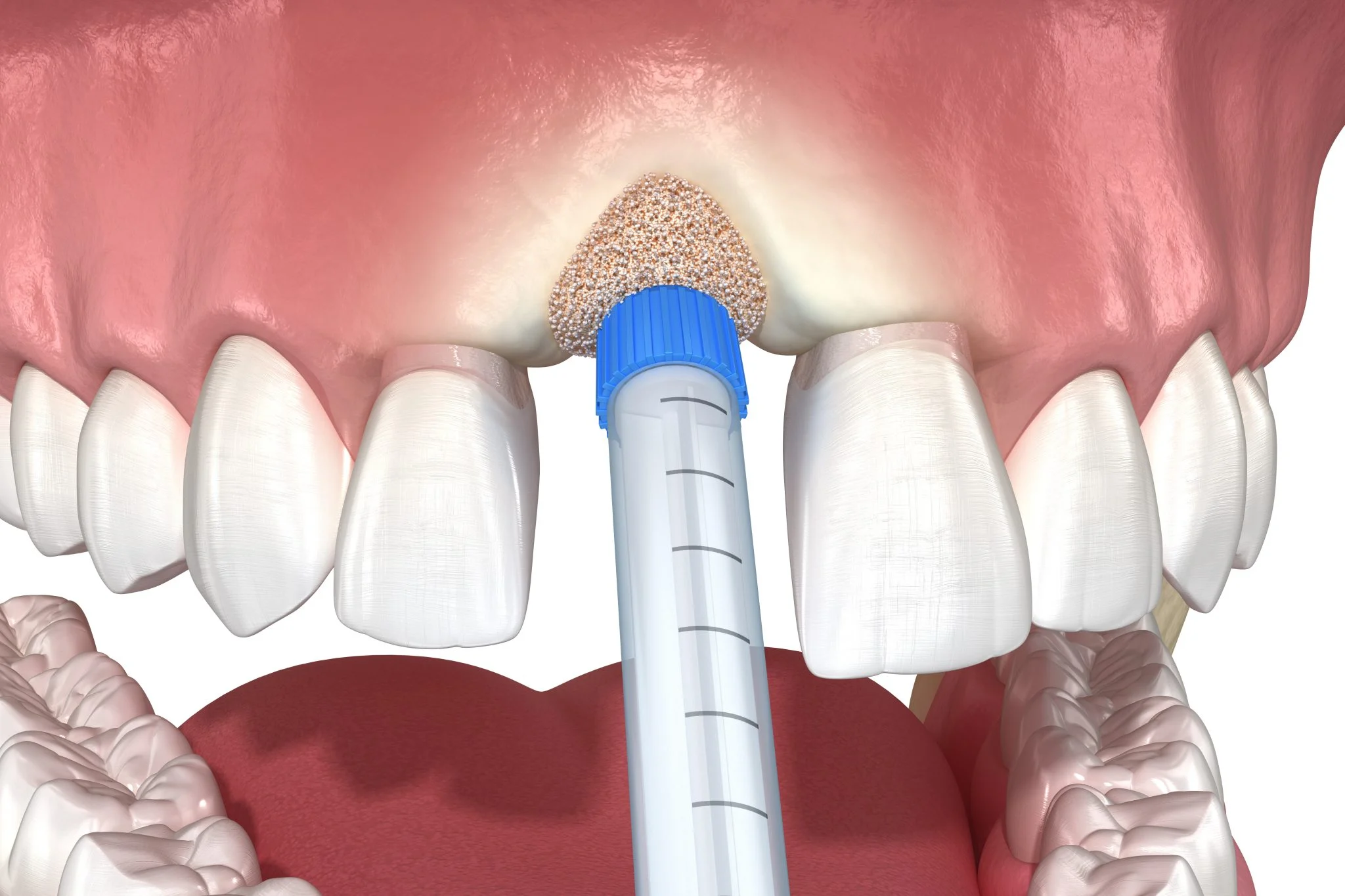
With bone grafting, you now have the opportunity to not only replace bone where it’s missing, but also to promote new bone growth in that location. This gives you the opportunity to receive implants of proper length and width, while restoring both functionality and aesthetic appearance to your smile.
Types of Bone Grafts Available to You
Autogenous Bone Grafts
Autogenous bone grafts, also known as autografts, are made from your own bone, taken from somewhere else in your body. The bone is typically harvested from your chin, jaw, lower leg bone, hip, or skull.
The advantages of autogenous bone grafts include:
- The graft material is your own live bone, containing living cellular elements that enhance bone growth
- Your body won’t reject the graft material since it comes from you
- Faster integration and more predictable results
However, one consideration with autografts is that they require a second procedure to harvest bone from elsewhere in your body. Depending on your condition, a second procedure may not be recommended.
Allogenic Bone
Allogenic bone, or allograft, is processed bone harvested from a cadaver using a freeze-dry method to extract water via a vacuum. Unlike autogenous bone, allogenic bone cannot produce new bone on its own. Rather, it serves as a framework or scaffold over which bone from your surrounding bony walls can grow to fill the defect or void.
This option eliminates the need for a second surgical site, reducing your overall discomfort and recovery time.
Xenogenic Bone
Xenogenic bone is derived from non-living bone of another species, usually a cow. The bone is processed at very high temperatures to avoid any potential for immune rejection and contamination. Like allogenic grafts, xenogenic grafts serve as a framework for bone from your surrounding area to grow and fill the void.
Both allogenic and xenogenic bone grafting offer the advantage of not requiring a second procedure to harvest your own bone. However, because these options lack autograft’s bone-forming properties, bone regeneration may take longer and have a less predictable outcome.
Bone Graft Substitutes
As a substitute to using real bone, many synthetic materials are available as safe and proven alternatives for your treatment:
Demineralized Bone Matrix (DBM)/Demineralized Freeze-Dried Bone Allograft (DFDBA)
This processed allograft bone contains collagen, proteins, and growth factors extracted from the allograft bone. It’s available in forms that best suit your specific needs:
- Powder
- Putty
- Chips
- Gel that can be injected through a syringe
Graft Composites
Graft composites combine various bone graft materials and growth factors to give you the benefits of multiple substances. Some combinations that may benefit your treatment include:
- Collagen/ceramic composite, which closely resembles the composition of your natural bone
- DBM combined with bone marrow cells, which aid in the growth of new bone
- Collagen/ceramic/autograft composite for optimal regeneration
Bone Morphogenetic Proteins
Bone morphogenetic proteins (BMPs) are proteins naturally produced in your body that promote and regulate bone formation and healing. These can be used to enhance your bone grafting results.
Synthetic materials offer the advantage of not requiring a second procedure to harvest bone, reducing your risk and pain while achieving excellent results.
Your Personalized Bone Grafting Solution
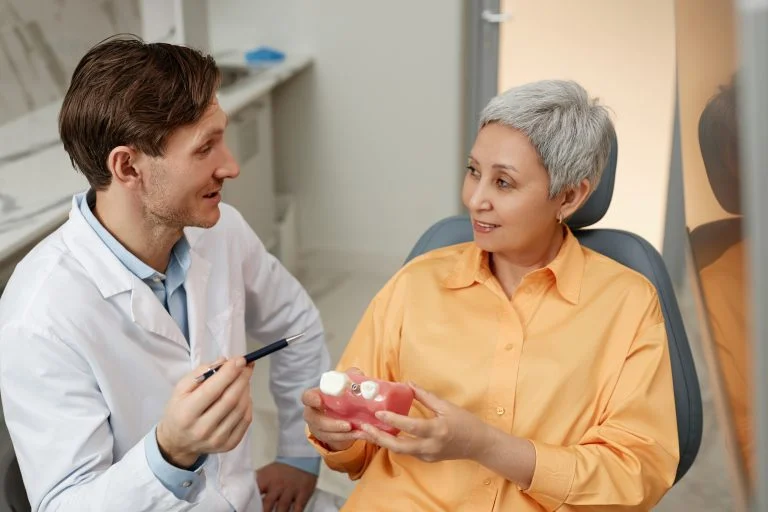
Each bone grafting option has its own risks and benefits. At Northwest Oral Surgeons in Schererville, IN, Drs. Wolf, Mekhail and Moll will evaluate your specific condition, bone density, and treatment goals to determine which type of bone graft material is best suited to your particular needs.
Our specialists use advanced 3D imaging technology to precisely assess your bone structure and plan your grafting procedure for optimal results. Whether you need minor socket preservation or major jaw reconstruction, you can trust our expertise in bone grafting procedures.
Take the First Step Toward Rebuilding Your Jaw Bone
Don’t let insufficient bone prevent you from getting the dental implants you need. With modern bone grafting techniques, you can rebuild lost bone and create a strong foundation for your new teeth.