
When you lose a tooth, it might seem like something you can deal with later. Maybe the gap isn’t visible when you smile, or maybe the cost feels overwhelming right now.
But waiting to replace a missing tooth isn’t as harmless as it might seem. Delaying tooth replacement can lead to jawbone deterioration, shifting teeth, bite problems, and changes in your facial structure that worsen over time.
Your mouth works as a system. When one tooth is missing, the rest of your teeth and jaw start to adapt in ways that can hurt your oral health.
The longer you wait, the more complex these problems can become. Even if you’ve been missing a tooth for months or years, you still have options.
Understanding the risks of delaying tooth replacement can help you make the best decision for your smile and overall health.
Key Takeaways
- Missing teeth cause your jawbone to shrink and nearby teeth to shift into the empty space.
- Delaying replacement can lead to bite problems, difficulty chewing, and changes in your face shape.
- Modern tooth replacement options like dental implants can still work even if you’ve waited years.
Why Timely Tooth Replacement Matters
When you lose a tooth, the effects start immediately and continue to worsen over time. Acting quickly to replace a missing tooth protects your jawbone, keeps your other teeth in place, and helps you avoid more costly problems down the road.
The Chain Reaction After Losing a Tooth
Your mouth works as a complete system where each tooth supports the others. When you lose a tooth, the empty space triggers a series of problems that get worse over time.
The teeth next to the gap will start to shift and tilt toward the open space. Your opposing teeth may also drift up or down into the empty spot.
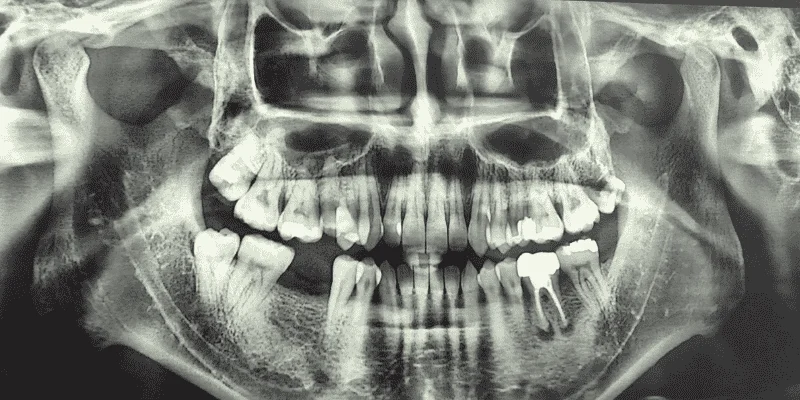
This movement happens because teeth need neighbors to stay in place. Delaying tooth replacement leads to jawbone deterioration in the area where your tooth used to be.
Your jawbone needs pressure from tooth roots to stay strong and healthy. Without that pressure, the bone starts to break down within weeks of tooth loss.
Teeth Shifting and Bite Alignment Problems
When you lose a tooth, the surrounding teeth start to move. The teeth next to the gap drift sideways to fill the empty space.
The tooth above or below the missing one can also shift down or up. This movement throws off your bite alignment.
Your teeth work together as a system, and losing a tooth starts a chain reaction that affects nearby teeth. The jawbone underneath the empty space also begins to shrink because it no longer gets stimulation from the tooth root.
Your other teeth may tilt or rotate into the gap. This shifting creates gaps between teeth that were not there before.
These changes make it harder to clean your teeth properly and can lead to decay and gum disease.
Impact on Oral Health and Daily Life
Delaying tooth replacement affects more than just your smile. Your jawbone starts to break down in the area where the tooth root used to be.
This happens because the bone needs pressure from chewing to stay strong and healthy. Your remaining teeth begin to shift into the empty space.
This movement can create gaps between other teeth and change how your upper and lower teeth fit together when you bite. You might notice changes in how you chew food or speak clearly.
Some people develop jaw pain or headaches from the extra stress on remaining teeth. Delaying tooth replacement can lead to jawbone deterioration and changes in your facial structure.
Your face may start to look older or sunken in the area where the tooth is missing.
Consequences of Delaying Tooth Replacement
When you put off replacing a missing tooth, your mouth doesn’t just stay the same with a gap. Your jawbone starts to shrink, nearby teeth begin to drift out of place, and you face a higher risk of oral health problems that can affect your whole smile.
Bone Loss and Bone Resorption
Your teeth do more than help you chew. The roots stimulate your jawbone every time you bite down, which keeps the bone strong and healthy.
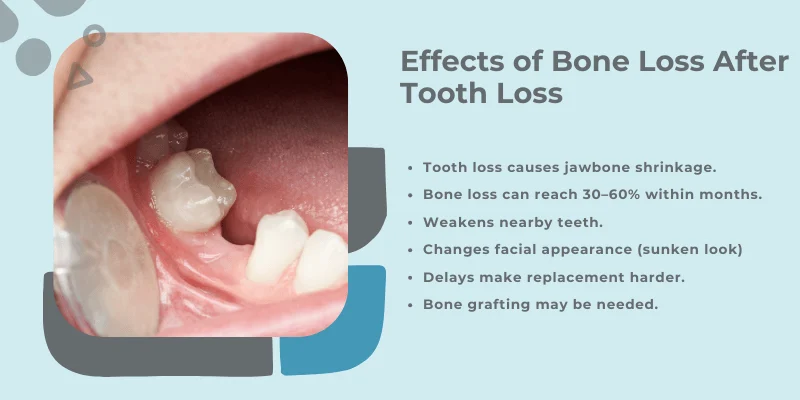
When you lose a tooth, that stimulation stops. Your body thinks the bone in that area isn’t needed anymore and starts to break it down through a process called bone resorption.
Bone loss can begin within just a few months after losing a tooth. The longer you wait, the more bone you lose.
This creates problems if you later decide to get a dental implant, since implants need enough healthy bone to anchor into. You might need a bone grafting procedure to rebuild the area before you can get an implant.
This adds extra time, cost, and appointments to your treatment.
Teeth Shifting and Bite Alignment Problems
Your teeth work together as a system. When one goes missing, the teeth next to the gap start to lean or drift into the empty space.
The shifting teeth can cause crowding, tilting, or uneven spacing throughout your mouth. Your upper and lower teeth might not line up correctly anymore, which creates bite misalignment.
A misaligned bite puts uneven pressure on certain teeth when you chew. This can wear down your enamel faster in some spots and lead to jaw discomfort or headaches.
You might start chewing on one side of your mouth without realizing it. Fixing bite alignment issues often requires orthodontic work on top of replacing the missing tooth.
The longer you wait, the more complicated and expensive the treatment becomes.
Risk of Gum Disease and Tooth Decay
Missing teeth create new hiding spots for food particles and bacteria. The gap makes it harder to clean your teeth properly, even with regular brushing and flossing.
Bacteria buildup along the gum line can lead to gum disease. Your gums might become red, swollen, or bleed when you brush.
The risk of gum disease increases when teeth shift and create tight spaces that trap food. The teeth next to the gap also face higher risk of tooth decay.
Food gets stuck in areas you can’t reach easily, and plaque builds up faster. These neighboring teeth might need fillings or other treatments if decay sets in.
Changes in Facial Structure and Sagging
Your jawbone supports the lower part of your face. As bone resorption continues, your jawbone gets smaller and weaker.
This affects how your face looks. You might notice a sunken appearance around your cheeks or mouth as the bone shrinks.
The loss of bone support can cause facial sagging that makes you look older than you are. Your lips might look thinner or less full without the proper support underneath.
The distance between your nose and chin can shorten, changing your profile. These changes to your facial structure happen gradually, so you might not notice them at first.
Over time, the loss of jawbone health can significantly alter your appearance in ways that are hard to reverse.
Contact our dental team in Schererville, IN, to discuss your tooth replacement options before bone loss requires grafting.
Oral Function and Quality of Life Challenges
When you lose a tooth and don’t replace it, everyday activities like eating and speaking become harder. Your confidence can drop as you worry about how your smile looks and whether others notice the gap.
Chewing Difficulties and Jaw Discomfort
Your teeth work together as a team to break down food. When one tooth is missing, the others have to work harder to make up for it.
You might find yourself avoiding certain foods because they’re too hard to chew. Foods like steak, raw vegetables, and crusty bread become challenging.
Research shows that missing a second molar reduces both objective and subjective masticatory ability. The extra pressure on your remaining teeth can cause jaw discomfort.
Your jaw muscles may feel tired or sore after eating. Some people develop pain in their temporomandibular joint (TMJ) because their bite becomes uneven.
Common chewing problems include:
- Difficulty breaking down tough or chewy foods
- Pain when biting on one side of your mouth
- Food getting stuck in the gap where your tooth used to be
- Having to chew more slowly than before
Speech Problems and Communication Issues
Your teeth help shape the sounds you make when talking. Missing even one tooth can affect how clearly you speak.
Certain sounds like “s,” “th,” and “f” need your tongue to touch or come close to your teeth. When a tooth is missing, especially in the front, these sounds might come out differently.
You may develop a slight whistle or lisp. Speech difficulties can make you feel self-conscious during conversations.
You might speak more quietly or cover your mouth when talking. This affects how you communicate at work and with friends.
Impact on Self-Esteem and Social Confidence
A missing tooth changes how you see yourself. Many people feel embarrassed about gaps in their smile.
You might avoid smiling in photos or keep your mouth closed when you laugh. Social situations like dates or job interviews can feel stressful.
The impact goes beyond just appearances. Studies indicate that missing teeth affect overall quality of life.
You may turn down invitations to restaurants or social events because eating in public feels uncomfortable. Some people notice changes in their face shape over time, which further affects their confidence.
Long-Term Effects and Complications
Waiting months or years to replace a missing tooth sets off a chain of problems that get worse over time. Your jawbone starts to break down, other teeth become at risk, and fixing these issues becomes more difficult and expensive.
Progressive Bone Loss and Need for Bone Grafting
Your jawbone needs stimulation from tooth roots to stay healthy and strong. When you lose a tooth, the bone underneath starts to shrink away because it no longer gets this stimulation.
This process is called resorption, and it begins within just a few months of tooth loss. The bone loss gets worse the longer you wait.
In the first year alone, you can lose up to 25% of the bone width in that area. After several years, the bone may deteriorate so much that it becomes too thin or weak to support a dental implant.
If you eventually decide to get an implant, you’ll likely need bone grafting first. A bone graft adds new bone material to rebuild what you’ve lost.
This extra procedure adds several months to your treatment time and increases your total cost by thousands of dollars. The longer you delay, the more extensive your bone graft needs to be.
Some people who wait many years need multiple grafting procedures before they can even think about getting an implant.
Complex Restorative Treatments and Higher Costs
Delaying tooth replacement makes future dental work much harder. Your teeth naturally shift into empty spaces, which changes your bite alignment and creates gaps in other areas of your mouth.
These changes mean you can’t just replace the one missing tooth anymore. You might need orthodontic treatment to move teeth back into their correct positions first.
Your dentist may need to adjust or replace existing dental work that no longer fits properly. Restorative dentistry becomes more complicated when multiple issues need correction.
What could have been a single dental implant might turn into a treatment plan involving bone grafts, orthodontics, crowns on adjacent teeth, and then the implant itself. The cost difference is significant.
A straightforward implant might cost $3,000 to $5,000, but waiting too long can push your total treatment cost to $10,000 or more. Insurance typically covers less of these complex procedures too.
Risk of Additional Tooth Loss and Periodontal Disease
One missing tooth puts your other teeth at serious risk. The teeth next to the gap start to tilt and shift, which creates hard-to-clean spaces where bacteria collect.
These bacteria cause periodontal disease, an infection of the gums and bone that support your teeth. Periodontal disease can lead to additional tooth loss if left untreated.
The infection destroys the bone around other teeth, making them loose and eventually causing them to fall out. Your opposing tooth (the one that used to bite against the missing tooth) can also become a problem.
Without anything to bite against, it may grow out of its socket, a process called super-eruption. This tooth becomes more vulnerable to damage and decay.
The longer you wait, the more teeth become affected. What starts as one missing tooth can turn into additional tooth loss throughout your mouth, creating a cycle that’s difficult and expensive to stop.
Tooth Replacement Solutions and Preventing Problems
Several tooth replacement options can restore your smile and protect your oral health. Each solution offers different benefits depending on your needs, budget, and how much bone structure you have left.
Dental Implants: Benefits and Prevention of Bone Loss
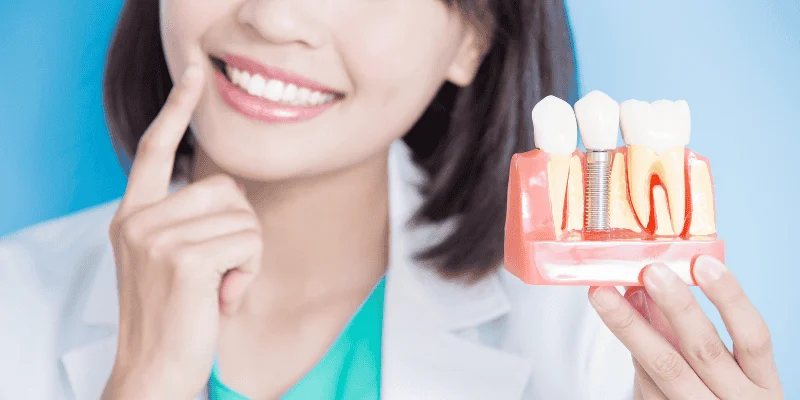
Dental implants are the most effective way to prevent bone loss after losing a tooth. The implant acts like a natural tooth root and stimulates your jawbone when you chew.
This keeps the bone strong and healthy over time. The implant placement process involves inserting a small titanium post into your jawbone.
After it heals and fuses with the bone, your dentist attaches a crown that looks and functions like a real tooth. This usually takes several months but provides a permanent solution.
Implants don’t affect your other teeth since they stand alone. They’re also the longest-lasting tooth replacement option, often working well for decades with proper care.
While they cost more upfront than other choices, many patients find them worth the investment because they maintain facial structure and jaw strength.
Dental Bridges and Bonded Bridge Options
A dental bridge fills the gap by using the teeth on either side as anchors. Your dentist reshapes these neighboring teeth and places crowns over them to support the artificial tooth in between.
Traditional dental bridges can last 10 to 15 years with good care. A bonded bridge offers a less invasive option.
Instead of covering the whole neighboring tooth, your dentist attaches small wings to the back of adjacent teeth. This preserves more of your natural tooth structure but works best for front teeth that don’t handle heavy chewing pressure.
Both types of bridges restore your ability to eat and speak normally. However, they don’t stop bone loss in your jaw like implants do.
You’ll also need to keep the bridge and supporting teeth very clean to prevent decay underneath.
Partial Dentures and Removable Solutions
Partial dentures replace one or more missing teeth when you still have some natural teeth left. A removable partial denture uses metal clasps or other attachments to hold onto your remaining teeth.
You can take it out for cleaning and sleeping. These dentures cost less than implants or bridges and don’t require surgery.
They restore basic chewing function and fill visible gaps in your smile. Many people adjust to wearing them within a few weeks.
The downside is that partial dentures can feel bulky at first. They also don’t prevent bone loss and may need adjustments as your mouth changes shape over time.
Some patients find the metal clasps visible when they smile.
Full Dentures and Implant-Supported Choices
Full dentures replace all teeth in your upper or lower jaw when you’ve lost most or all of them. Traditional full dentures sit on your gums and stay in place through suction and dental adhesive.
They require replacement every 5 to 10 years as your jaw changes. An implant-supported bridge offers much better stability than regular dentures.
Your dentist places several implants in your jaw to anchor the denture permanently. This prevents slipping when you eat or talk and helps preserve the jawbone.
Comparison of full denture options:
- Traditional dentures: Lower cost, no surgery needed, easier to adjust to initially
- Implant-supported: More stable, better chewing power, helps maintain bone structure, higher upfront cost
Many patients who switch to implant-supported options report feeling more confident and enjoying a wider variety of foods.
Restore your smile and confidence by contacting our dental office in Schererville, IN. We’re here to help you feel comfortable, confident, and ready to smile again in every situation.
Overcoming Barriers and Taking the Next Step
Many people put off tooth replacement because of fear, cost concerns, or uncertainty about the treatment process. Addressing dental anxiety, understanding how teeth need realignment before implants, and learning proper bite maintenance can help you move forward with confidence.
Managing Dental Anxiety and Accessing Care
Dental anxiety affects many adults and often becomes the biggest obstacle to getting needed care. Your dentist can offer several options to help you feel more comfortable during procedures.
Sedation dentistry provides different levels of relaxation. Nitrous oxide (laughing gas) creates a calm feeling while you stay awake.
Oral sedation uses medication taken before your appointment to reduce anxiety. IV sedation offers deeper relaxation for longer procedures.
Communication with your dental team makes a real difference. Tell them about your specific fears so they can adjust their approach.
Many offices now offer headphones, weighted blankets, or breaks during treatment. Cost barriers also prevent people from seeking dental care.
Most dental offices offer payment plans that spread costs over several months. Dental schools provide quality care at reduced rates.
Some community health centers offer sliding-scale fees based on income. CareCredit and similar programs give financing options specifically for medical and dental treatments.
Orthodontic Realignment and Preparing for Implants
When you wait too long to replace a missing tooth, surrounding teeth shift out of position. This orthodontic realignment process must happen before an implant can be placed.
Your orthodontist will evaluate how much teeth have moved. Braces or clear aligners gradually move teeth back to their correct positions.
This creates proper spacing for the implant and restores your bite alignment. Treatment typically takes 6 to 18 months depending on how far teeth have shifted.
You might need braces on just one arch or full treatment on both upper and lower teeth. Clear aligners work well for mild to moderate movement.
After orthodontic treatment finishes, you may need to wait a few months before implant placement. This waiting period lets your teeth stabilize in their new positions.
Your orthodontist and oral surgeon will coordinate timing to ensure the best outcome.
Bite Adjustments and Maintenance Tips
Bite adjustments fix how your upper and lower teeth meet together. When a tooth stays missing for months or years, opposing teeth over-erupt and create uneven contact points.
Your dentist reshapes tooth surfaces to create even pressure distribution. This prevents excessive wear on certain teeth and reduces jaw strain.
The adjustment process uses precise grinding to remove tiny amounts of enamel.
Maintenance after tooth replacement:
- Brush twice daily with a soft-bristled toothbrush
- Floss around the implant crown using special threaded floss
- Use a water flosser to clean hard-to-reach areas
- Schedule dental cleanings every six months
- Avoid chewing ice or hard candy that can damage restorations
Wearing a night guard protects your implant if you grind your teeth during sleep. Your dentist will check your bite at follow-up appointments and make minor adjustments as needed.
Proper care helps your implant last 20 years or longer.
Book a visit to our Schererville, IN office to review affordable tooth replacement and payment options.
Frequently Asked Questions
Missing a tooth creates more problems than just an empty space in your mouth. The effects can range from bone loss and shifting teeth to changes in how you speak and eat.
Are there any risks to your oral health if you don’t replace a missing tooth timely?
Yes, delaying tooth replacement can lead to several oral health risks. Your jawbone starts to deteriorate without the tooth root to stimulate it.
This bone loss happens because your body stops sending nutrients to that area. You might also develop gum disease around the gap.
Food particles and bacteria can collect in the empty space more easily. This increases your risk of infection and decay in the nearby teeth.
How does delaying tooth replacement affect your smile and facial structure?
Your facial structure can change when you wait too long to replace a missing tooth. The jawbone loss causes your face to take on a sunken or aged appearance.
Your cheeks may look hollow, and your lips might appear thinner. Your smile will obviously show the gap where the tooth used to be.
The surrounding teeth may start to tilt or rotate into the empty space. This creates an uneven smile that affects your confidence and appearance.
Can you experience changes in your bite or other teeth due to a missing tooth over time?
Your teeth work together as a team, and when one is missing, the surrounding teeth begin to move toward the open space. The teeth next to the gap can shift sideways.
The tooth above or below the missing one may also drift up or down. These movements disrupt your natural bite alignment.
You might notice crowded, tilted, or unevenly spaced teeth. An unbalanced bite can cause jaw pain, headaches, and uneven wear on your remaining teeth.
Is it possible to lose bone density in your jaw if you don’t replace a missing tooth quickly?
You will lose bone density in your jaw when you don’t replace a missing tooth. The bone needs pressure and stimulation from chewing to stay healthy.
Without a tooth root, your body absorbs the bone tissue in that area. This bone loss can happen quickly in the first year after tooth loss.
The process continues over time and gets worse the longer you wait. Severe bone loss can make it harder to get dental implants later and may require bone grafting procedures.
What impact can a prolonged absence of a tooth have on your speech or eating habits?
Missing teeth can change the way you speak. You might notice a lisp or have trouble pronouncing certain sounds.
Letters like S, T, and F require your tongue to touch your teeth. Your eating habits will likely change too.
You may avoid certain foods that are hard to chew. Many people start chewing only on one side of their mouth, which puts extra stress on those teeth and can lead to more problems.
Does putting off dental implants or bridges lead to more complex dental procedures later?
Delays can increase complexity in your dental treatment.
The bone loss that happens over time may mean you need a bone graft before getting an implant.
Your dentist will have to rebuild the bone structure first.
The shifted teeth around the gap create additional challenges.
You might need orthodontic work to move your teeth back into proper position.