

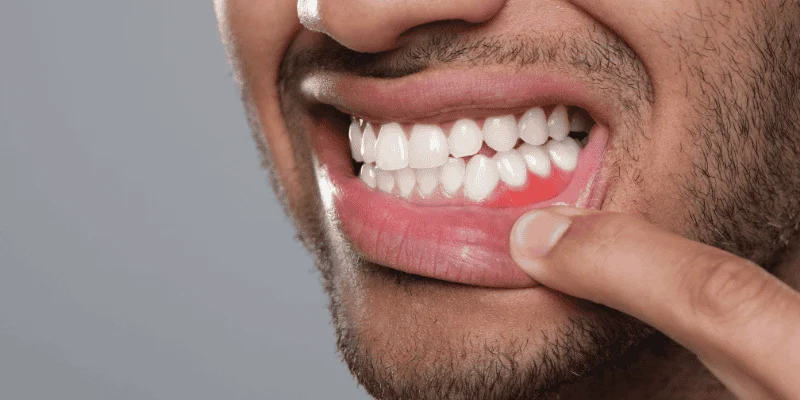
You can still get dental implants even if you have gum disease, but not while the infection is active. Treating the gum infection and restoring the bone and gum tissue first gives you a much better chance of a lasting implant. If your gums become healthy and stable, implants often remain a strong, long-term option.
Expect a step-by-step plan: fight the infection, rebuild any lost bone or gum tissue if needed, then place the implant when your mouth is healthy. Knowing this upfront helps you plan time, cost, and care so you can protect your new tooth and avoid future problems.
Key Takeaways
- Treat active gum disease before implant surgery to reduce risk.
- Rebuilding bone or gum tissue may be needed to support implants.
- Ongoing home care and checkups keep implants healthy long term.
Concerned about gum disease and implant eligibility? Schedule a periodontal and implant consult in Munster or Schererville, IN today.
Does Gum Disease Disqualify You From Dental Implants?
You can often get implants after treating gum disease, but timing, bone health, and ongoing care matter. Treating active infection and stabilizing your gums usually comes before implant placement.
Active Gum Disease and Implant Eligibility
If your gums show active infection (swelling, bleeding, pus, loose teeth, or bone loss on X-rays) you are not a good immediate candidate for implants. Active periodontal disease creates a bacteria-rich environment that raises the risk of implant failure and peri-implantitis (infection around an implant).
Your dentist will first treat the infection with deep cleaning (scaling and root planing), improved home care, and sometimes antibiotics or periodontal surgery. Only when probing depths shrink and inflammation stops will the team consider implants.
If bone loss already exists, your dentist might recommend bone grafting to rebuild the foundation before implant placement. That grafting requires healed, healthy gums to succeed.
Why Gum Health Is Critical for Implant Placement
Gum tissue and the jawbone form the support system for implants. Implants need healthy bone to fuse with and healthy gums to seal against bacteria. If your gums remain inflamed, bacteria can reach the implant surface and cause loosening or loss.
Healthy gums also allow predictable surgery and better healing. Your care team measures pocket depths, checks for bleeding, and reviews X-rays to confirm stability. Good daily brushing, flossing, and regular professional cleanings lower the long-term risk of problems around implants.
If you commit to strict oral hygiene and regular follow-ups, implants have a much higher chance of lasting for many years.
Dental History and Individual Assessments
Your medical and dental history changes what happens next. Conditions like uncontrolled diabetes, smoking, or medications that affect healing change implant timing and success rates. Tell your dentist about all health issues and medicines.
The clinician will run tests: periodontal charting, X-rays, and possibly a CBCT scan to map bone volume. These tests decide if you need gum therapy, bone grafts, or referral to a periodontist before implants.
Every plan is personal. Two people with the same diagnosis can have different paths: one may need only deep cleaning and maintenance, while the other needs surgery and grafting before implant work.
Myths and Facts About Disqualification
Myth: “Gum disease always stops you from getting implants.” Fact: It only prevents implants while the disease is active. Treating and stabilizing the gums usually restores eligibility.
Myth: “If you had gum disease once, implants will fail.” Fact: Past gum disease raises risk, but with strict hygiene and maintenance, many people keep implants successfully.
Myth: “Bone loss means implants are impossible.” Fact: Bone grafting often rebuilds lost bone so implants can be placed later.
Ask your provider for clear steps: what treatment you need, how long healing takes, and what follow-up care will protect your implant investment.
Get expert gum therapy and implant planning in Schererville & Munster to restore your smile safely.
How Gum Disease Impacts Dental Implant Outcomes
Gum disease changes the tissues and bone that implants rely on. You need healthy gums and enough jawbone for an implant to fuse and stay stable, and active infection or bone loss raises the chance of problems.
Stages of Gum Disease: From Gingivitis to Periodontitis
Gingivitis is the first stage. Your gums become swollen and bleed when you brush or floss. At this point, damage is reversible with good cleaning and professional care.
If gingivitis is untreated, it can progress to periodontitis. About 4 in 10 U.S. adults 30 years or older had a mild, moderate, or severe level of periodontitis.
In periodontitis, the infection moves below the gum line and you can get gum recession and pockets around teeth. These pockets let bacteria reach the root and bone. You may notice bad breath, loose teeth, or visible bone loss on X-rays.
For dental implants, controlling gingivitis and periodontitis first matters most. Active periodontitis creates a bacteria-filled environment that hinders healing and makes osseointegration (the bone fusing to the implant) less predictable. Treating the disease and stabilizing your gums lowers implant risk.
Influence on Jawbone and Bone Loss
Your jawbone supports both natural teeth and implants. Periodontitis can cause bone loss around teeth through inflammation and bacterial destruction. The more bone you lose, the fewer places there are to place an implant securely.
Bone loss may require extra treatment before implants. Your dentist might recommend bone grafting to rebuild lost jawbone and create enough volume for stable implant placement. This adds time and healing before you receive a crown or bridge.
If bone levels stay low and grafting isn’t possible, implants may be unsafe because they need strong bone for osseointegration. That can lead to early loosening, shifting, or outright implant failure if placed in compromised bone.
Risks of Peri-Implantitis and Implant Failure
Peri-implantitis is inflammation and infection around an implant, similar to periodontitis around natural teeth. If you had gum disease, your risk of peri-implantitis rises because the same bacteria and immune response can affect the tissue around the implant.
Signs to watch for include red or swollen gums around the implant, bleeding when you clean, and pus or bad taste. You might also notice bone loss on X-rays or a loose implant. These signs can lead to implant failure if not treated quickly.
You can reduce risk by getting gum disease under control before implant surgery. After placement, maintain daily brushing and interdental cleaning, and keep regular cleanings with your dentist. Avoid smoking and manage health conditions like diabetes, since they increase the chance of peri-implantitis and implant failure.
Protect your future implant success with a personalized periodontal care plan today.
Treating Gum Disease Before Dental Implant Placement
You need a clear plan that removes infection, rebuilds lost support, and keeps your gums healthy during healing. Timely treatment and regular care give the best chance that implants will integrate and last.

Periodontal Evaluation and Diagnosis
Your dentist will first do a full periodontal exam. This includes measuring pocket depths around each tooth, checking for bleeding on probing, and taking dental X-rays to see bone loss. Expect questions about your medical history, tobacco use, and medications that affect healing.
The exam distinguishes gingivitis from periodontitis. If pockets are deeper than 4 mm or X-rays show bone loss, the team documents the extent and pattern of damage. That record guides whether simple cleaning, scaling and root planing, or surgery is needed before you can get implants.
Scaling and Root Planing (Deep Cleaning)
Scaling and root planing removes plaque and tartar from below the gum line. Your provider numbs the area, then uses instruments or ultrasonic tools to clean root surfaces. This helps shrink pocket depths and reduce harmful bacteria.
You may need one or more visits depending on how many quadrants need treatment. After care includes antiseptic rinses and improved home brushing and flossing. Most people see reduced bleeding and pocket depth within 4–8 weeks, which is a key step before implant work begins.
Surgical and Non-Surgical Treatment Options
Non-surgical care includes repeated deep cleanings, local antibiotics, and laser periodontal therapy to reduce bacteria in deep pockets. These are less invasive and work well for many cases of moderate periodontitis.
If bone or soft tissue loss is severe, surgical options may include flap surgery to clean roots directly, bone grafting to rebuild jaw support, or soft-tissue grafts to cover exposed roots.
Your dentist may also use regenerative membranes or growth factors. Surgery aims to restore enough healthy bone and gum so an implant can anchor securely.
Gum Disease Stabilization and Periodontal Maintenance
Stabilization means pockets are reduced, infection is under control, and inflammation is minimal. Your dentist will confirm this with follow-up probing and X-rays before clearing you for implant placement. Smoking cessation and controlling diabetes greatly improve stabilization success.
Once stabilized, you enter a periodontal maintenance program. That usually means visits every 3 months for professional cleaning and monitoring. Consistent maintenance lowers the risk of peri-implantitis after implants are placed and protects your long-term investment.
Bone Loss and Jaw Preparation for Dental Implants
Your jawbone must be dense and healthy enough to hold an implant. If bone loss has occurred, you can often rebuild the area so implants and replacement teeth sit securely and last longer.
Bone Grafting and Jawbone Density
If your jawbone is too thin or soft, a bone graft adds material to strengthen the site. Your dentist or oral surgeon uses grafts from your own bone, donor bone, or synthetic materials to raise density where the implant will go.
Grafts may be placed at the same time as an implant for minor loss, or they may need several months to heal before implant placement when loss is moderate to severe.
Expect a healing period of 3–9 months depending on the graft type and location. During healing, new bone grows into the graft and creates a firm base for the implant. Your provider will monitor progress with X-rays and may recommend antibiotics or a soft diet while the site heals.
Sinus Lift and Other Advanced Procedures
If you need implants in the upper back jaw, your sinuses may sit too close to the ridge. A sinus lift raises the sinus floor and adds bone below it so implants fit safely.
The surgeon opens the sinus membrane, places graft material, and closes the site. Healing typically takes 4–9 months before implant placement.
Other advanced options include ridge augmentation to widen a narrow jaw and guided bone regeneration using barrier membranes.
These procedures target specific bone defects so implants can be placed in the right position for stable chewing and natural-looking replacement teeth.
Restoring Implant Eligibility After Severe Disease
Even after severe bone loss from gum disease, you can often become an implant candidate once infection is controlled. First, your periodontal disease must be treated with deep cleanings, antibiotics, or periodontal surgery to remove infection and stop bone damage.
After the infection is stable, your clinician will assess bone volume and plan grafting or other reconstructive steps. Bone grafts, sinus lifts, and ridge augmentation rebuild lost structure. Healing time varies; your dentist will only place implants when X-rays show enough new bone to support stable dental implant placement.
Commitment to daily oral hygiene and regular maintenance visits greatly reduces the chance of future bone loss and helps your implants last.
The Dental Implant Process After Gum Disease Treatment
After your gum disease treatment, you’ll need careful checks and possible bone work before an implant can go in. The goal is a healthy gum line, enough jawbone, and a plan that lowers infection risk so the implant can fuse and last.

Determining Readiness for Implant Surgery
Your dentist or periodontist will check gum pocket depths, bleeding on probing, and X-rays to confirm the infection is controlled. They look for pocket depths mostly under 4 mm, no active bleeding, and stable attachment levels.
A cone-beam CT or panoramic X-ray shows jawbone height, width, and any bone defects. If bone is thin or lost, they may recommend bone grafting or ridge augmentation first.
You also need good general health. Smoking, uncontrolled diabetes, or certain medications raise the risk of implant failure and may require extra steps like medical clearance or a quit plan.
Final readiness means stable gums for several months and clear imaging that shows enough bone or a successful graft. Only then will your team schedule implant placement to protect long-term implant success.
Steps of Implant Placement and Healing
On the day of implant surgery, your team will numb the area and place the titanium implant into your jawbone using a small incision. Placement usually takes 30–90 minutes per implant depending on complexity.
After placement, your implant must osseointegrate; bone growing tightly to the implant surface. This usually takes 3–6 months depending on bone quality and location. Good oral hygiene and following post-op instructions cut infection risk during this phase.
You’ll have follow-up visits to check healing, remove sutures, and take X-rays to confirm integration. Once integration is confirmed, your dentist attaches an abutment and then a crown or prosthesis. These steps help ensure implant integration and long-term implant success.
Immediate vs. Delayed Placement
Immediate placement means the implant goes into the socket at the time of extraction. This can shorten treatment time and preserve bone, but it only suits cases with no active infection and good bone.
Delayed placement waits weeks to months after extraction or after grafting. This gives time for infection control and bone rebuilding, which often improves predictability after prior gum disease.
Your dentist will weigh factors like residual infection, bone volume, esthetic needs, and the implant site (front vs. back teeth). Choosing the right timing helps reduce complications like peri-implantitis and supports higher implant success over the long term.
For more on how gum disease affects candidacy and prep, read about implant candidacy after periodontal therapy at Manduzzi Family Dentistry.
Maintaining Gum and Implant Health Long Term
Keep your gums and implants healthy by cleaning daily, using the right tools, and seeing your dentist on a set schedule. Track bleeding, bad breath, and any loose feeling around implants so you can act early.
Oral Hygiene Practices for Implant Longevity
Brush twice daily with a soft-bristled toothbrush and low-abrasive fluoride toothpaste. Use 2 minutes each time and angle the brush to clean around the implant crown and gum line. Replace your brush every 3 months or sooner if bristles splay.
Use interdental brushes sized to fit the gaps around your implant and natural teeth. Clean between each tooth once daily. If an interdental brush won’t fit, use floss designed for implants or a water flosser to remove food and plaque under the gum margin.
Avoid hard scrubbing. Gentle, consistent cleaning prevents buildup that leads to inflammation. If you notice persistent bleeding or new bad breath, contact your dentist promptly.
Preventing Peri-Implantitis and Recurring Disease
Peri-implantitis is infection and bone loss around an implant. You lower risk by controlling plaque, quitting smoking, and treating any gum disease before implants are placed. If you had periodontitis before implants, strict maintenance is essential.
Follow a professional periodontal maintenance schedule and attend any prescribed deep-cleaning or laser treatments. If signs such as redness, swelling, pus, bleeding, or implant mobility appear, seek care immediately. Early intervention can stop bone loss and reduce the chance of implant failure.
Maintain good overall health; manage diabetes and other conditions that affect healing. Your dentist may recommend topical antimicrobials or targeted cleanings if your tissues show repeated inflammation.
Importance of Dental Checkups and Cleanings
Schedule dental checkups and cleanings at least every 3–6 months, based on your risk. During visits, the team will check pocket depths, X-rays for bone level, and the fit of your implant crown. They will remove hardened deposits that you can’t reach at home.
Professional care includes gentle scaling around implants with instruments safe for implant surfaces. Your dentist or hygienist will also review your home care routine and adjust tools like interdental brushes or floss if needed.
Keep records of any changes between visits; looseness, new bad breath, or shifting teeth. Bringing this information to appointments helps the dentist spot problems early and protect your implant investment.
Frequently Asked Questions
You will find clear answers about risks, treatment steps, and options when gum disease and implants overlap. Read each short section to learn what affects implant success and what you can do next.
What are the risks of dental implants with existing periodontal disease?
Active gum infection raises the chance of implant failure because bacteria can spread to the implant site. You may also face higher risk of inflammation around the implant (peri-implantitis), which can loosen or destroy the implant over time.
Untreated disease can cause bone loss and weak tissue support. That makes healing harder and lowers the chance the implant will fuse properly with your jaw.
Is it possible to receive All-on-4 dental implants if you have gum disease?
All-on-4 may be possible, but you must first control the infection and restore healthy tissue. Surgeons normally treat gum disease and check bone levels before placing an All-on-4 prosthesis.
If bone or gum loss is severe, the team may recommend bone grafts or staged treatment instead of immediate All-on-4 placement. Your dentist will evaluate your mouth and create a plan tailored to your needs.
How can receding gums impact the success of dental implants?
Receding gums reduce the soft-tissue cover around an implant, exposing implant parts and increasing infection risk. Less gum tissue also weakens the seal that protects the bone and implant interface.
Gum recession can change how your replacement tooth looks and may require gum grafting to improve tissue thickness before implant surgery.
Are there alternative tooth replacement options for those with severe gum disease?
Yes. You can consider removable dentures, fixed bridges (when adjacent teeth are healthy), or partial dentures as temporary or long-term choices. These options avoid surgery while you treat active disease.
Once gum health and bone support improve, implants may become an option later. Talk with your dentist about pros and cons for your mouth and lifestyle.
What treatments are available for gum disease before proceeding with dental implants?
Common treatments include professional deep cleaning (scaling and root planing) to remove bacteria and tartar below the gum line. You may also receive antibiotics, antimicrobial rinses, or targeted local therapy to reduce infection.
For severe cases, periodontal surgery, gum grafts, and bone grafting can rebuild lost tissue and bone. Your dentist or periodontist will set a timeline and check healing before starting implant work.
Can bone loss from gum disease affect the ability to get dental implants?
Yes. Significant bone loss can prevent proper implant placement because implants need enough jawbone to hold them steady. If your bone is too thin or low, implants may fail or not be an option without reconstruction.
Bone grafting and sinus lifts can rebuild the jaw so it can support implants. Your dentist will use X-rays or CT scans to measure bone and suggest the right corrective steps.