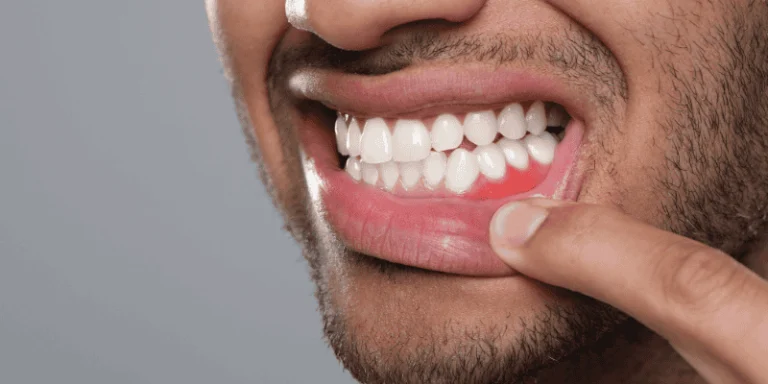

You expect precise care when an implant problem starts, and oral surgeons bring a different level of training and tools to fix it. They handle complex signs like bone loss, nerve changes, or infections with advanced imaging, surgery skills, and experience that general dentists usually don’t use.
That means you get faster, more accurate diagnosis and targeted treatment that can save bone, reduce pain, and protect long-term results.
You also benefit from a surgeon’s focus on anatomy and surgical technique when complications need revision, grafting, or nerve care. Their team approach and access to CBCT scans, surgical guides, and emergency surgical skills help limit harm and restore function more predictably.
Key Takeaways
- Oral surgeons use advanced imaging and surgical skills to diagnose and treat implant problems.
- Timely specialist care can prevent worsening bone loss and lasting nerve issues.
- Coordinated surgical and restorative care improves chances for a lasting repair.
Get expert implant complication management in Munster and Schererville, IN with CBCT-guided evaluation and surgical solutions.
Unique Approach of Oral Surgeons to Implant Complications
Oral surgeons use surgical training, imaging, and anesthesia skills to fix problems from failed implants, nerve injuries, or bone loss. They focus on precise diagnosis, staged repair, and restoring function while minimizing risk.
Role of Oral and Maxillofacial Surgeons in Implantology
You get care from a specialist who trained in both medicine and dentistry, so they understand facial bones, soft tissue, and nerves in detail. That training helps them recognize when a failing implant needs removal, when bone grafting is required, or when nerve repair is necessary.
When complications arise, your surgeon often orders cone beam CT scans to map bone volume and nerve positions. They plan surgery with those images, choose the right implants or graft material, and explain the steps and risks to you.
Oral and maxillofacial surgeons also coordinate with prosthodontists and periodontists. That teamwork helps restore chewing, speech, and appearance while reducing the chance of repeat failure.
Advanced Surgical Techniques for Managing Complications
You benefit from techniques like implant removal with minimal bone loss, guided bone regeneration, and soft‑tissue grafting to fix exposure or infection. Surgeons use microsurgical tools for delicate nerve repairs when numbness or pain follows implant placement.
They often perform staged procedures: remove the problem implant, control infection, rebuild bone or gum tissue, then place a new implant once the area is stable. This lowers the risk of repeat complications.
Surgeons can also provide different anesthesia options (from local to IV sedation) so you stay comfortable during longer, complex repairs. Their anesthesia training improves safety when managing bleeding, airway issues, or medical comorbidities.
Experience With Complex Implant Cases
You gain from surgeons who handle high‑risk situations regularly: severely atrophic jaws, sinus perforations, failed grafts, or implants close to nerves. That experience means they can adapt plans when anatomy or healing does not follow the expected path.
Their case history helps them spot subtle signs that predict failure, such as recurrent peri‑implant infection or poor bone integration. They use that judgment to choose corrective steps that balance function and long‑term success.
When complications require reconstructive work (like block grafts, zygomatic implants, or nerve repositioning) you get a clinician familiar with those advanced options. That familiarity shortens procedure time and improves your chance of a stable outcome.
Worried about an implant infection or looseness? Book an urgent consult in Schererville or Munster, IN to protect bone and restore comfort.
Most Common Dental Implant Complications and Their Causes
These problems usually come from infection, poor healing, bone loss, or mechanical stress. You need to know how each starts, how it shows up, and what might be done to fix it.
Infection and Peri-Implantitis
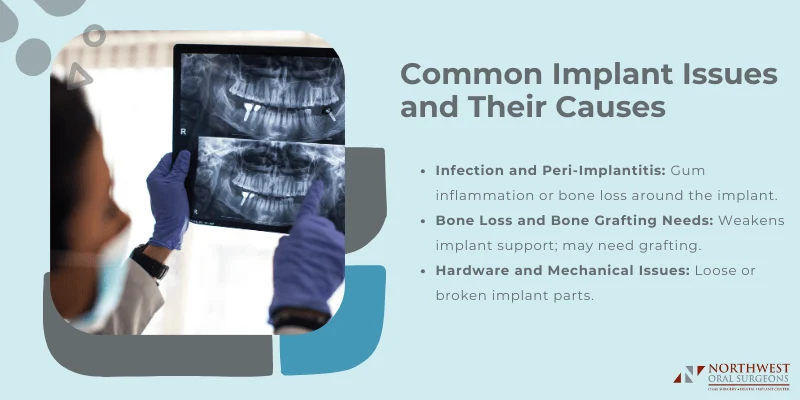
Infections around implants often start with plaque buildup or bacteria trapped under a crown or healing cap. You may notice red, swollen gums, bleeding when you brush, bad taste, or pus.
Early inflammation confined to the soft tissue is called peri-implant mucositis; if bone around the implant starts to break down, that becomes peri-implantitis.
Risk factors include poor oral hygiene, smoking, uncontrolled diabetes, and untreated gum disease. About 47% of U.S. adults age 30+ have periodontitis, a major risk factor for inflammation and bone loss that can threaten implants.
Treatment ranges from improved cleaning and antiseptic rinses to professional debridement. In more advanced cases, your surgeon may perform flap surgery, apply local antibiotics, or use regenerative techniques to try to save the implant.
Implant Failure and Failed Osseointegration
Osseointegration means the implant post fuses to the jawbone. If the bone does not integrate, the implant becomes loose or painful. Early failure shows up in the days to weeks after placement; late failure can occur months to years later.
Causes include inadequate primary stability at placement, infection, poor bone quality, excessive bite forces, or systemic issues like smoking and diabetes. Your surgeon will assess with clinical tests and imaging. Options may include removing the failed implant, treating any infection or bone loss, and planning a staged re-implantation with bone grafting if needed.
Bone Loss and Bone Grafting Needs
Bone loss can occur from long-term peri-implantitis, ridge resorption before implant placement, or overloading of the implant. You may notice a recessed gum line, a loose crown, or shifting prosthetics as bone shrinks. Significant bone loss compromises implant support and can expose implant threads or the abutment.
Treatment often requires bone grafting to rebuild volume. Your surgeon may use autograft, allograft, or synthetic graft material and may place a membrane or use growth factors. Grafting can be done before implant placement or at the time of revision. Successful grafting improves chances for a stable implant and a secure crown.
Hardware and Mechanical Issues
Mechanical problems include implant fracture, loose abutments, a loose or broken crown, or wear of the prosthetic parts. You may feel mobility of the implant post, a rocking crown, or unusual bite pain. Excessive bite forces, bruxism (grinding), or a misfit between the implant post and the crown can cause these failures.
Your surgeon or restorative dentist will check the implant connection, tighten or replace the abutment screw, or remake the crown. In cases of implant fracture or severe component damage, removal of the implant and replacement may be necessary.
Adjusting your bite, using a nightguard, or redesigning the prosthesis can reduce repeat mechanical failure.
Not sure what is causing your implant pain or swelling? Schedule a specialist complication evaluation today.
Diagnostic and Preventive Strategies Used by Oral Surgeons
Oral surgeons use tests, imaging, and careful plans to lower risks and manage problems early. You’ll see steps that check bone health, refine implant size and position, and set up follow-up care that keeps implants healthy.
Comprehensive Preoperative Assessment
You get a full medical and dental review before any implant work. This includes listing medications (especially bisphosphonates or blood thinners), noting osteoporosis, and asking about smoking and diabetes. Those factors change healing and infection risk, so the surgeon adjusts timing, technique, or refers you for medical clearance.
A clinical exam checks soft tissues, periodontal health, and oral hygiene. The surgeon measures ridge height and width and inspects for infection or retained roots. If you lack regular professional cleanings, they’ll treat gum disease first.
Functional checks include bite, adjacent teeth, and prosthetic needs. This determines implant size and angle so the implant placement supports the final crown or bridge and avoids nerve or sinus injury.
Digital Imaging and Guided Surgery
Your surgeon uses cone beam CT scans to see bone volume, density, and nearby anatomy in 3D. This lets them pick implant length, diameter, and exact position to avoid the inferior alveolar nerve or maxillary sinus. A clear image also shows bone loss from osteoporosis or past infection.
Using the 3D data, they plan a guided surgery template when needed. Guided surgery transfers the planned implant placement to the mouth with a printed or milled guide. That improves accuracy for implant placement and reduces surprises during surgery.
Guides help you when narrow ridges or close anatomical structures limit choices. They let the team place implants at the right depth and angle for the planned prosthetic, which cuts risk of complications and makes future oral hygiene easier.
Personalized Risk Management
Your care plan tailors prevention to your risks. If you take anticoagulants or have bleeding problems, the surgeon coordinates with your prescriber on safe timing. For osteoporosis or bisphosphonate users, they weigh drug history before drilling into bone.
Smoking, poor oral hygiene, or lack of professional cleanings raises infection risk. The team gives pre-op instructions: chlorhexidine rinse, improve home care, and schedule a hygiene visit. Antibiotic prophylaxis may be used selectively when infection risk is higher.
They also choose implant size and surface that suit your bone quality. Shorter or wider implants, bone grafts, or staged placement can protect weak bone. You’ll get a written plan for follow-up and hygiene so small issues get treated before they become failures.
Meticulous Surgical Planning
Surgeons create a step-by-step plan that lists instruments, implant size, and contingency actions. They prepare graft materials, haemostatic agents, and suture types in advance to avoid delays that raise risk.
The plan sets the surgical approach: flapless guided placement when bone and access allow, or open flap with grafting for reduced ridge width. If a sinus lift or block graft is needed, that’s scheduled rather than attempted unexpectedly.
Intraoperative checks include verifying implant torque and primary stability to decide immediate loading or delayed restoration. If placement risks an oro-antral communication or tuberosity fracture, the surgeon adjusts technique or refers to a specialist.
Clear notes guide post-op care and the timing of professional cleanings to protect the implant long term.
Management and Treatment of Implant Surgery Complications
You will learn how clinicians stop bleeding, protect nerves and soft tissue, and restore bone volume when implants cause problems. The steps focus on immediate control, careful tissue repair, and predictable bone grafting or sinus lift techniques.
Immediate Response to Surgical Complications
When bleeding or implant instability happens during surgery, act fast to control the situation. Apply firm pressure with sterile gauze for 10–15 minutes to stop most bleeding. If bleeding continues, use local hemostatic agents (e.g., oxidized cellulose) and consider a suture to close the wound.
If an implant fractures or loosens, remove any mobile parts to prevent infection. Use copious irrigation and inspect the site for bone damage. Preserve any intact implant components that can be reused, but plan for implant removal if stability is lost or infection is present.
Document the event clearly in your chart and inform the patient about what happened and the next steps. Arrange antibiotics when infection risk is high and schedule a follow-up within 48–72 hours to reassess soft-tissue healing and signs of nerve involvement.
Treatment of Soft Tissue and Nerve Injuries
For soft-tissue tears or flap compromise, trim frayed edges and perform tension-free closure with fine sutures (4-0 to 6-0). Promote soft-tissue healing by avoiding excessive tension and keeping the wound clean. Use chlorhexidine rinses and short-term topical or systemic antibiotics if contamination occurred.
If you suspect nerve injury (numbness, tingling, or electric shock sensations), perform a focused neurologic exam immediately. Start corticosteroids within the first 24–72 hours when appropriate to reduce inflammation around the nerve. Refer to a specialist for electromyography or further evaluation if sensory loss persists beyond two weeks.
Document sensory mapping (pinprick, light touch) and photograph the area. If the implant impinges on a nerve and symptoms are severe, plan for implant removal or repositioning promptly to reduce the chance of permanent nerve damage.
Bone Grafting and Sinus Lift Procedures
When you face bone loss after implant failure or atrophic ridges, choose guided bone regeneration (GBR) or block grafts based on defect size. Small contained defects respond well to particulate bone graft with a resorbable membrane. Use xenograft or allograft material with a collagen membrane to stabilize the clot and support osteogenesis.
For posterior maxillary cases with limited vertical height, perform a sinus lift (sinus augmentation) to create vertical bone. Use a lateral window or transcrestal approach depending on how much lift you need.
Maintain a gentle technique to avoid Schneiderian membrane tears; if the membrane tears, repair with a resorbable collagen membrane before placing graft material.
Plan staged grafting when primary implant stability is unlikely. Allow 4–9 months for graft maturation before reimplantation, depending on graft type and patient factors. Keep clear records of graft material, membrane type, and healing timeline to guide future care and any needed implant removal.
Restorative Collaboration and Long-Term Outcomes
Good coordination, precise prosthetic planning, and clear patient instructions drive better implant results and fewer complications. Focus on timelines, material choices, and follow-up tasks that protect your investment and oral health.
Coordinating Care With Restorative Dentists
You and the restorative dentist must share a clear treatment plan before surgery. Agree on the final tooth position, emergence profile, and prosthesis type (single crown, bridge, or overdenture). Use shared charts, photos, and a digital wax-up to align surgical placement with prosthetic needs.
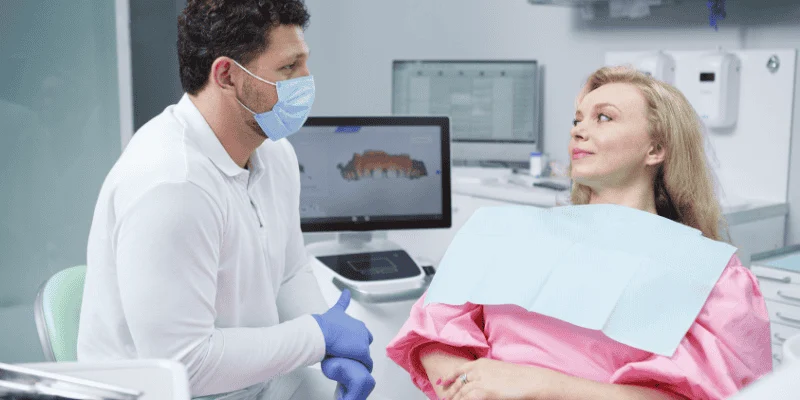
Ask for a restorative-driven surgical guide when bone anatomy allows. This helps place implants at the correct depth and angle for the planned restoration. If bone grafting or staged surgery is needed, schedule restorative steps only after predictable healing and imaging confirm stable anatomy.
Keep communication frequent. Hold brief case-review meetings or send annotated CBCT slices and intraoral scans. Document responsibilities (who orders custom abutments, who designs provisional crowns, and who handles complications like screw loosening) so you both act quickly when issues arise.
Ensuring Successful Final Prosthesis Placement
You should confirm soft-tissue health and stable osseointegration before final impressions. Check for mobility, peri-implant probing depths, and absence of drainage. Wait at least the agreed healing period and verify implant stability with torque testing or resonance frequency analysis when indicated.
Select abutment materials and connection types that match occlusion and esthetic needs. Titanium or zirconia choices affect strength and gum response.
Discuss occlusal scheme with the restorative dentist to avoid excessive forces on the implant. Adjust provisional restorations to refine contours and papilla support prior to making the definitive prosthesis.
On delivery day, verify fit, passivity, and contact points. Confirm screw torque values and prescribe a maintenance schedule. Provide the patient with written care steps for the new prosthesis and clear warnings about habits that increase risk, like hard biting or bruxism.
Long-Term Maintenance and Patient Education
Set a tailored maintenance plan that you and the restorative dentist follow. Typical protocols include 3- to 6-month hygiene visits early on, then 6- to 12-month exams once tissues stabilize. At each visit, record peri-implant probing depths, check for bleeding, and take radiographs when bone loss is suspected.
Teach the patient daily care specifics: how to use interdental brushes, floss threaders, or water flossers around the implant, and which toothpaste or mouthwash to avoid if abrasive. Explain signs that need prompt attention (pain, swelling, or loosening) and who to call first.
Document maintenance steps and any repairs in the patient record. That history helps detect trends and supports quick action on issues like screw loosening, veneer fracture, or peri-implantitis. Consistent follow-up preserves both function and esthetics of the dental implant and final prosthesis.
Frequently Asked Questions
This section answers specific worries about why implants can fail, how you can lower risks, and what steps specialists take when problems appear. Expect clear signs to watch for, prevention tips you can use, and how care differs when many implants are involved.
What are common reasons for dental implant complications?
Infection around the implant, called peri-implantitis, often causes bone loss and loosening.
Poor initial placement or low bone volume can stop the implant from fusing to your jaw (failed osseointegration).
Smoking, uncontrolled diabetes, and certain medications raise your risk of complications.
Technical issues like loose screws, fractured abutments, or poor crown fit also cause pain and failure.
How can I prevent complications with my dental implants?
Keep your mouth clean with daily brushing and flossing around the implant.
Attend regular checkups and professional cleanings so early inflammation gets treated.
Stop smoking and control conditions such as diabetes before surgery.
Follow your surgeon’s instructions for healing, including diet limits and activity restrictions.
What steps do oral surgeons take to manage implant complications?
Oral surgeons perform a full exam, imaging (like CBCT), and review medical history to find the root cause.
They use targeted treatments: antibiotics and deep cleaning for infection, or bone grafting for lost bone.
For loose or broken parts they may repair, replace, or remove the implant.
If soft tissue problems exist, they use grafts or surgical reshaping to restore healthy gums.
Can an oral surgeon offer better outcomes for implant problems compared to a general dentist?
Oral surgeons have advanced training in complex bone and soft-tissue surgery.
They use 3D imaging and surgical techniques not always available in general practices.
When cases need bone grafts, sinus lifts, nerve repositioning, or full-arch reconstruction, surgeons often provide more predictable results.
You should still ask about the clinician’s experience with your specific problem and request before-and-after examples.
What are typical signs that something is wrong with my dental implants?
Swelling, redness, bleeding, or persistent pain near the implant are warning signs.
Mobility of the implant, pus or bad taste, and increasing gap between teeth also indicate trouble.
If your bite changes or a crown feels loose, seek care quickly.
Early problems respond better to treatment than long-term bone loss.
How is the treatment for full mouth dental implant complications different?
Full-arch issues often require coordinated surgical planning for multiple implants at once.
Surgeons evaluate bite, jaw alignment, and overall bone structure before redoing or repairing prostheses.
They may stage treatments; address infection first, rebuild bone next, then place or refit the prosthesis.
Complex cases often involve lab-fabricated frameworks and team care with prosthodontists for long-term function.